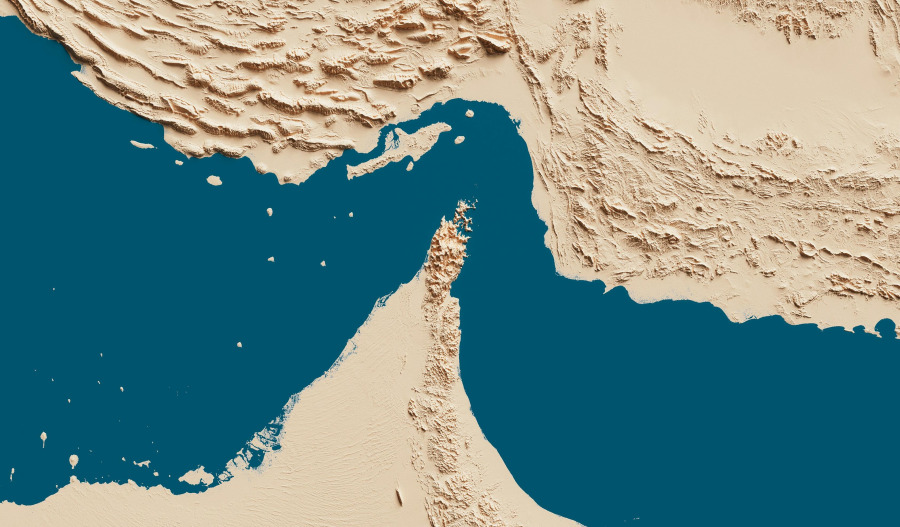
The Australian sharemarket is expected to open lower at the start of the week, as renewed uncertainty surrounding the Strait of Hormuz dampens investor sentiment and lifts oil prices.
Initial futures for the S&P/ASX 200 pointed to a rise of 0.9% or 82 points on Monday, reflecting a strong lead from Wall Street’s rally late last week.
However, those projections were made before Iran reversed its decision to reopen the strategic shipping route, casting doubt over the early positive outlook.
Tehran had initially announced that the waterway would reopen, only to reimpose restrictions over the weekend. The reversal has intensified concerns over the ongoing conflict involving the United States and Israel, which began on 28 February.
Iran attributed its decision to the continued U.S. naval blockade of its ports, describing the move as a breach of the ceasefire.

U.S. President Donald Trump criticised Iran’s actions, calling them “blackmail”, while maintaining that discussions with Tehran remained constructive, stating he was having “very good conversations” with its leadership.
The renewed uncertainty has had an immediate impact on energy markets. Brent crude and West Texas Intermediate crude both surged more than 6.5% in early trading, reversing a sharp 10% decline recorded on Friday after initial hopes of a sustained reopening of the strait.
Since the conflict began eight weeks ago, oil prices have climbed by roughly one-third, fuelling concerns about rising global inflation and the risk of a broader economic slowdown.
On the domestic front, the S&P/ASX 200 ended Friday down 0.1%, snapping a three-week winning streak. Despite the pullback, the benchmark index remains near record levels, sitting around 1.5% below its March 2 closing peak of 9,200.9.
In fixed income markets, Australian government bond yields were mixed. The 10-year yield eased 0.4% to 4.956%, while the 2-year yield edged 0.5% higher to 4.63%.