The Australian sharemarket closed lower on Thursday as a fresh surge in oil prices and escalating conflict in the Middle East weighed on investor sentiment, even as energy producers rallied.
The S&P/ASX 200 Index fell 114.5 points, or 1.3%, to finish at 8,629.0. Energy was the only sector to record gains, supported by the sharp rally in crude prices.
Technology stocks led the broader decline, with WiseTech Global down 2.6%, Xero falling 4.1%, TechnologyOne down 2.7% and Life360 trading 4.8% lower.
Real estate investment trusts also came under pressure as Goodman Group dropped 3.3%, Charter Hall fell 5%, and Mirvac Group lost 2.9%.
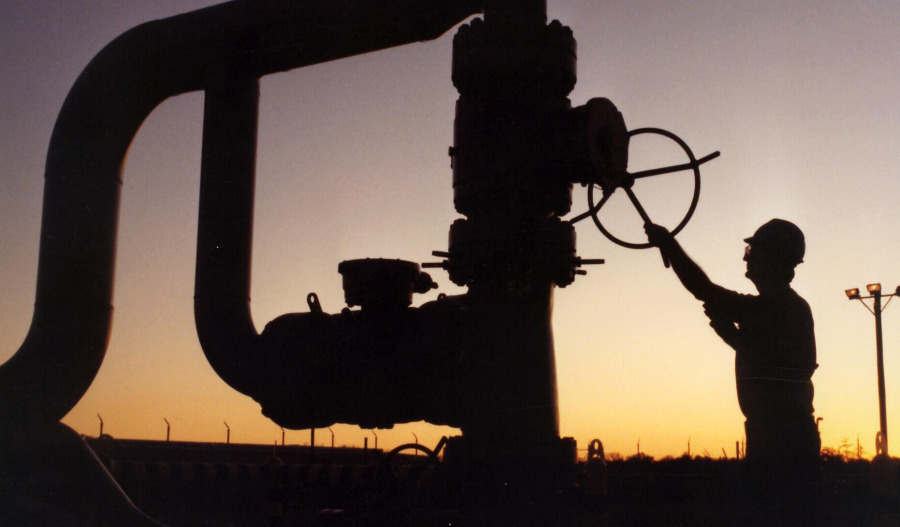
Oil markets remained a central focus for investors as Brent crude surged above US$100 per barrel during the Asian trading session. The move came despite coordinated efforts by the International Energy Agency (IEA) to release record volumes of emergency oil reserves.
Energy prices climbed after attacks on tankers in Iraqi waters intensified concerns about disruptions to shipping routes across the Middle East. Oman also reportedly cleared vessels from a key export terminal, further fuelling fears of supply interruptions.
On the Australian market, energy producers benefitted from the surge in crude prices.

Woodside Energy rose 2.1%, Santos added 1.5%, Karoon Energy climbed 4.8%, and fuel supplier Ampol advanced 2.9%.
Coal producers also rallied as investors moved into commodity-linked stocks. Yancoal Australia jumped 10.5%, while Whitehaven Coal gained 6.7% after the miner announced it had secured public credit ratings from S&P, Fitch and Moody’s as part of its refinancing programme.
A shifting outlook for monetary policy in Australia also affected risk appetite, as traders increased bets on an interest rate hike from the Reserve Bank of Australia.
According to the ASX's RBA Rate Tracker, the ASX 30 Day Interbank Cash Rate Futures contract for March 2026 was trading at 96.08 as of March 11, implying a 62% probability that the central bank will raise the cash rate to 4.10% at its next board meeting.
That expectation had risen from 31% in the previous session.
Among individual companies, lithium producer Liontown Resources declined 0.6% after reporting a net loss of $184 million for the half year to 31 December and an underlying earnings loss of $7.7 million, which offset a more than doubling in revenue during the period.
Meanwhile, Collins Foods surged 5.1% after announcing an agreement to acquire eight KFC restaurants in Bavaria as part of its expansion into Germany, a market the company has identified as a key long-term growth opportunity.
On the bond markets, Australian government yields were mixed. The yield on the 10-year bond slipped 0.1% to 4.955%, while the two-year yield rose 0.2% to 4.508%.