Australian shares fell to a near seven-week low on Monday as elevated oil prices and a global bond selloff weighed on investor sentiment amid an ongoing stalemate in the Iran conflict.
The S&P/ASX 200 Index closed 125.5 points, or 1.5%, lower at 8,505.3, marking its lowest finish since 1 April. Ten of the 11 sectors ended in negative territory.
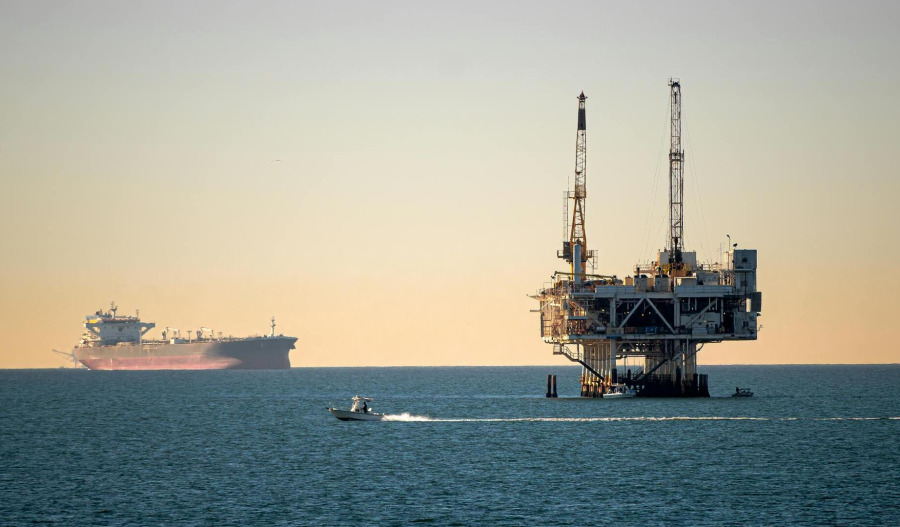
Brent crude rose 1.8% during Asian trading to US$111.23 per barrel as the U.S.-Iran conflict entered its 12th week, with both sides remaining deadlocked over reopening the Strait of Hormuz.
Industrials led the decline, with Brambles plunging 20.2% after downgrading its fiscal 2026 earnings guidance.
The pallet supplier now expects underlying profit growth of 3% to 5%, down from its previous forecast of 8% to 11%.
Transurban and Reece each fell 0.8%, while Auckland International Airport declined 1.3%.
Real estate investment trusts also came under pressure. Goodman Group fell 4%, Mirvac dropped 3.2%, while Stockland and Charter Hall each lost 3.5%.

The Materials sector weighed heavily on the benchmark, with major miners BHP, Rio Tinto and Fortescue Metals down between 2.8% and 3.6%.
Gold miners also weakened as bullion prices fell to multiweek lows amid persistent inflation concerns.
Northern Star, Evolution Mining and Newmont declined 2.4%, 4.6% and 4.2%, respectively.
Energy stocks outperformed following the rebound in crude prices. Woodside Energy gained 2.9%, Ampol rose 1.5%, and Beach Energy added 2.7%.
Santos climbed 2.7% after announcing first oil production from the Pikka Phase 1 development on Alaska’s North Slope.
Among individual companies, Tuas was the worst performer on the ASX, plunging 62.8% after Singapore’s Infocomm Media Development Authority suspended its review of the proposed Simba-M1 merger amid an investigation into the possible unauthorised use of radio frequency bands.
Elders slumped 22.9% despite posting a 17% rise in first-half net profit, as investors focused on the company’s warning that elevated diesel prices “remain a challenge” for the industry, linked to the duration of conflict in the Middle East.
On the bond markets, the Australian 10-year government bond yield was little changed at 5.117%, while the two-year yield fell 0.9% to 4.749%.