Apple’s guidance topped estimates on the back of booming iPhone and Mac demand after beating sales and earnings expectations in the fiscal second quarter.
Despite this, iPhones missed estimates for the second time in three quarters and was the only significant number that came up short of expectations.
Wall Street expected iPhone sales to be US$57.21 billion, but they fell short at $56.99 billion. This was still a 22% jump year-over-year.
Mac sales, however, came in above Wall Street's estimated $8.02 billion at $8.4 billion.
“Continued strong customer demand for our products and services once again helped us achieve a new all-time high for our installed base of active devices across all major product categories and geographic segments,” Apple CFO Kevan Parekh said.
Overall revenue climbed 17% to $111.18 billion, beating the LSEG consensus of $109.66 billion.
It also reported earnings per share of $2.01, surpassing expectations of $1.95.

The company said revenue in the June quarter is expected to jump by 14% to 17% from a year earlier, while analysts expect growth of 9.5% to $103 billion.
Apple said its board authorised an additional $100 billion in stock repurchases and declared a cash dividend of 27 cents per share, up 4%.
This earnings report is the first since Apple announced Tim Cook will step down as CEO after 15 years in the top job.
Despite strong demand for the company’s electronics, Cook made it clear to investors that the memory shortage impacting many tech companies isn’t going away.
In the current quarter, “we expect significantly higher memory costs,” Cook said.
Going beyond that, “we believe memory costs will drive an increasing impact on our business,” which will lead the company to “look at a range of options,” he said.
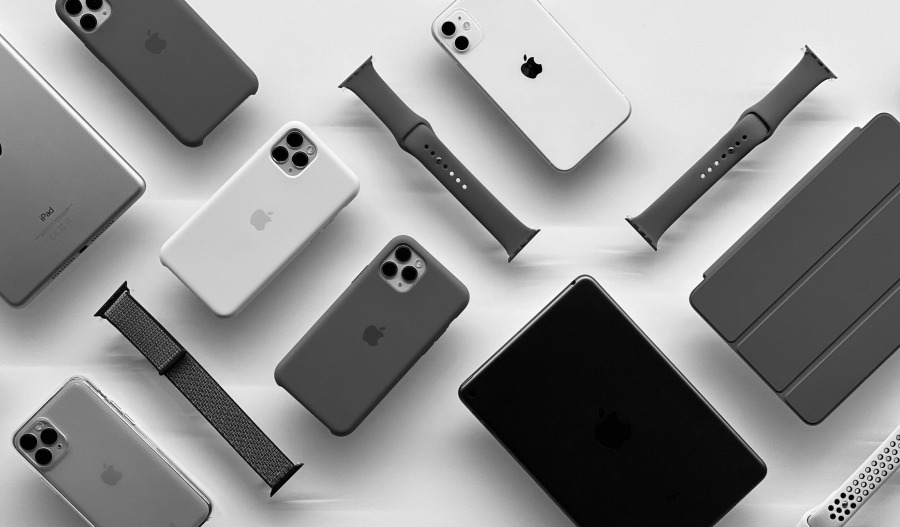
In March, Apple announced a number of new products, including its iPhone 17e, a refreshed iPad Air laptop with an M4 chip in 11-inch and 13-inch sizes. it also unveiled the MacBook Neo, a low-cost laptop priced at $599 and aimed at students and budget-conscious consumers.