Asia-Pacific markets traded slightly higher on Thursday despite a global bond sell-off and escalating conflict in the Middle East weighing on investor sentiment.
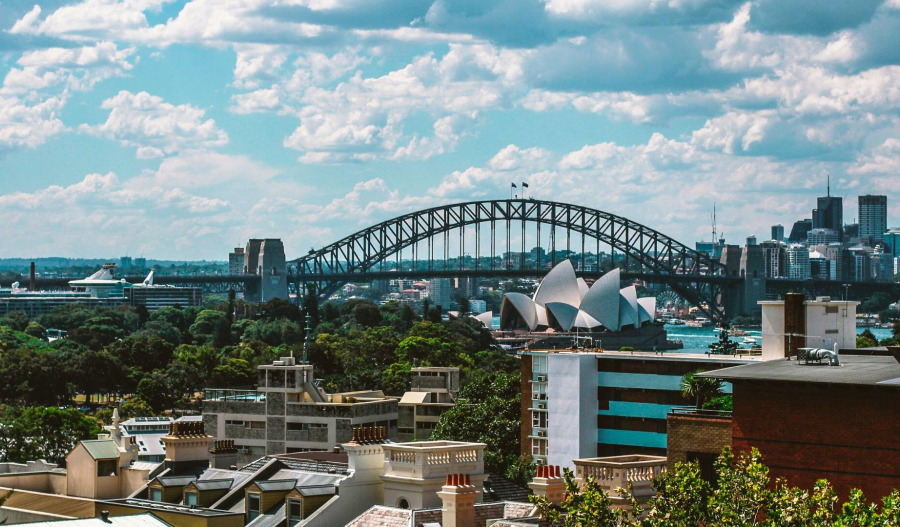
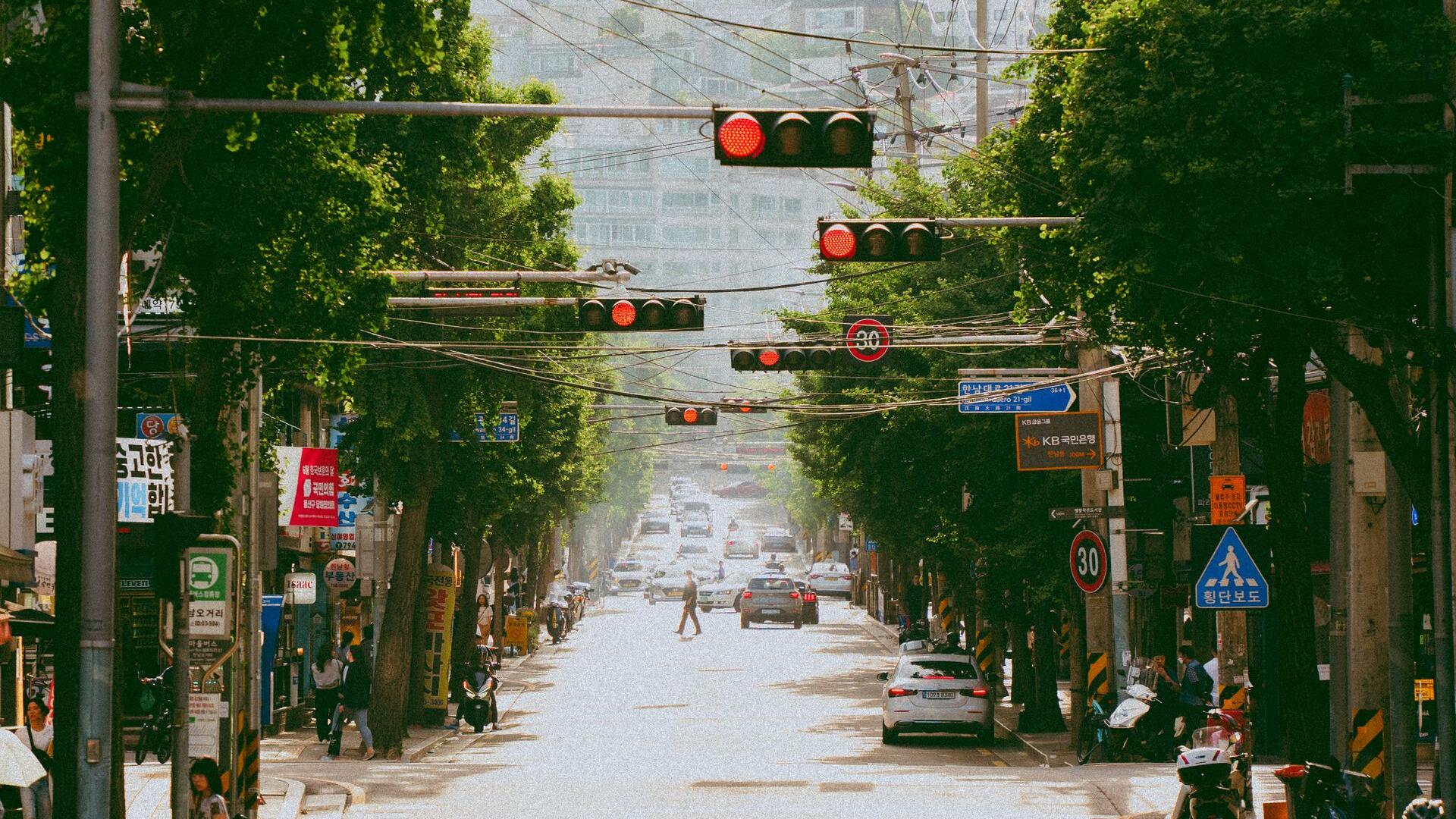
By 11:50 am AEST (1:50 am GMT), Australia's S&P/ASX 200 was 0.1% higher, Japan's Nikkei 225 had added 0.1%, while South Korea's KOSPI 200 was up 1.2%.
Among economic data releases, Australia's seasonally adjusted goods trade balance narrowed by A$418 million in July.
Australia recorded a trade surplus of $1.92 billion, according to the Australian Bureau of Statistics (ABS), falling short of market expectations and reversing June's $2.34 billion surplus.
Goods credits, or exports, fell by $1.576 billion, or 3.3%, driven by declines in non-monetary gold and coal, coke and briquettes.
Goods debits, or imports, decreased by $1.157 billion, or 2.5%, led by lower imports of fuel and lubricants and non-monetary gold.

United States benchmark averages finished higher in Wednesday's regular session, with all three indexes snapping a three-day losing streak.
The Dow Jones Industrial Average rose 0.6%, while the S&P 500 and Nasdaq Composite each gained 0.5%.
In commodities, ICE Brent crude rose 1% on Wednesday to settle at US$95.63 a barrel, while spot gold gained 1.3% to US$4,386.52 an ounce.
In China, the SSE Composite Index fell 1% to 3,941.4, while the CSI 300 declined 1.4% to 4,548.0.
Hong Kong's Hang Seng Index eased 0.1% to 25,311.2, while India's BSE Sensex fell 0.5% to 76,570.4.
European markets also finished lower on Wednesday. The UK's FTSE 100 fell 0.3% to 10,756.5, Germany's DAX declined 0.5% to 25,839.3, and France's CAC 40 lost 0.3% to 8,280.6.