Asia-Pacific markets declined sharply on Monday as escalating tensions between the United States and Iran unsettled investors and heightened concerns over global energy supply.
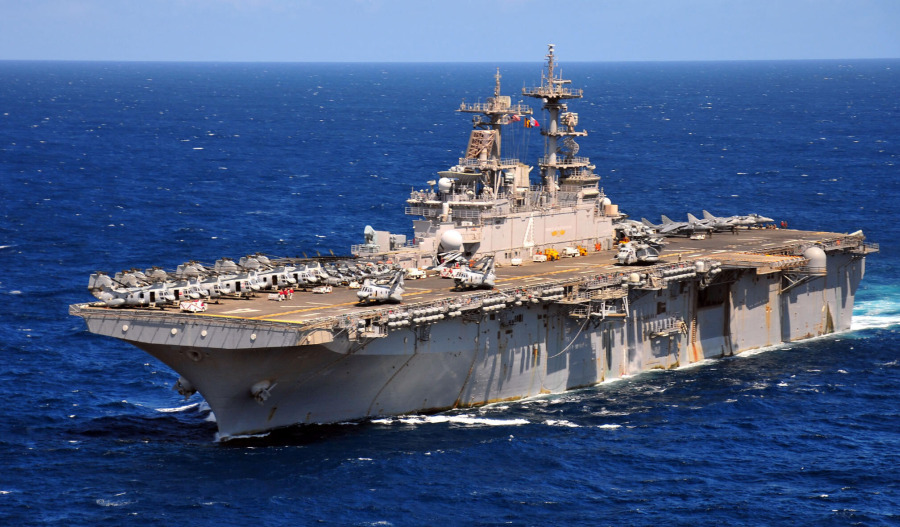
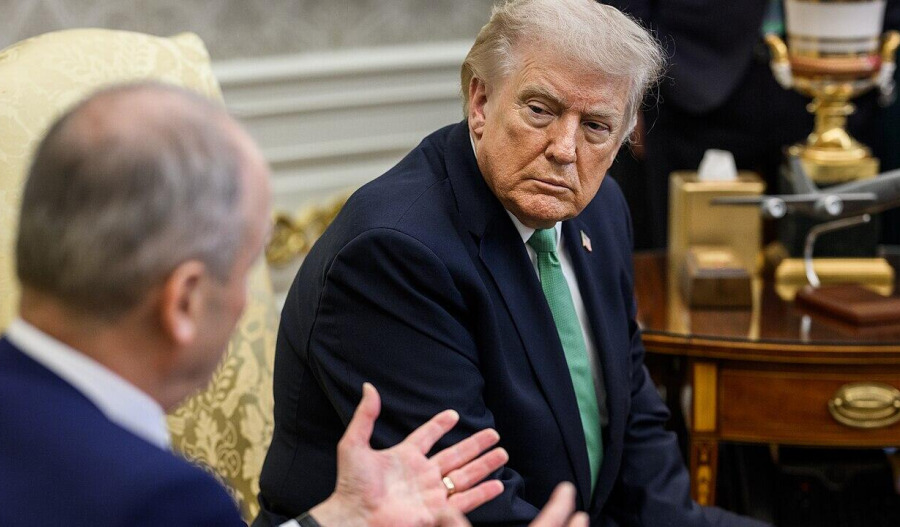
The sell-off followed renewed threats from United States President Donald Trump, who warned that Washington would “obliterate” Iran’s power infrastructure if Tehran failed to fully reopen the Strait of Hormuz within 48 hours.
Iran responded with strong rhetoric, signalling it would target energy and desalination infrastructure across the Gulf region if the U.S. followed through on its ultimatum.
Iranian Parliament Speaker Mohammad Bagher Ghalibaf warned that any attack on the country’s power facilities would trigger immediate retaliation against oil and energy infrastructure across the region, adding that such actions could drive oil prices higher for an extended period.
He also extended the warning to financial entities, stating that holders of U.S. government debt that “finance the U.S. military budget” could be considered legitimate targets alongside military installations.
By 11.45 am AEDT (12.45 am GMT), Australia’s S&P/ASX 200 fell 1.2%, while Japan’s Nikkei 225 dropped 4.6%. South Korea’s KOSPI 200 led losses, sliding 5.3%.

The weakness in Asia followed a negative lead from Wall Street on Friday (Saturday AEDT), where major benchmarks closed lower on Friday.
The Dow Jones Industrial Average fell around 1%, while the S&P 500 lost 1.5% and the Nasdaq Composite declined 2%.
In commodities, oil prices surged on supply concerns, with Brent crude rising 3.3% to settle at $112.19 per barrel. In contrast, gold prices fell 3.3% to $4,497.48 per ounce.
Chinese markets also weakened on Friday, with the SSE Composite Index declining 1.2% to 3,957.1, while the CSI 300 slipped 0.4% to 4,567.0.
Hong Kong’s Hang Seng Index fell 0.9%, while India’s BSE Sensex edged 0.4% higher.
European markets also ended the week in the red, with the FTSE 100 down 1.4%, Germany’s DAX falling 2%, and France’s CAC 40 declining 1.8%.