United States lawmakers have announced a spending deal that will provide funding for 2,500 air traffic controllers and US$2.4 billion (A$3.57 billion) for U.S. passenger railroad Amtrak, while cutting funds for electric vehicle charging and high-speed rail.
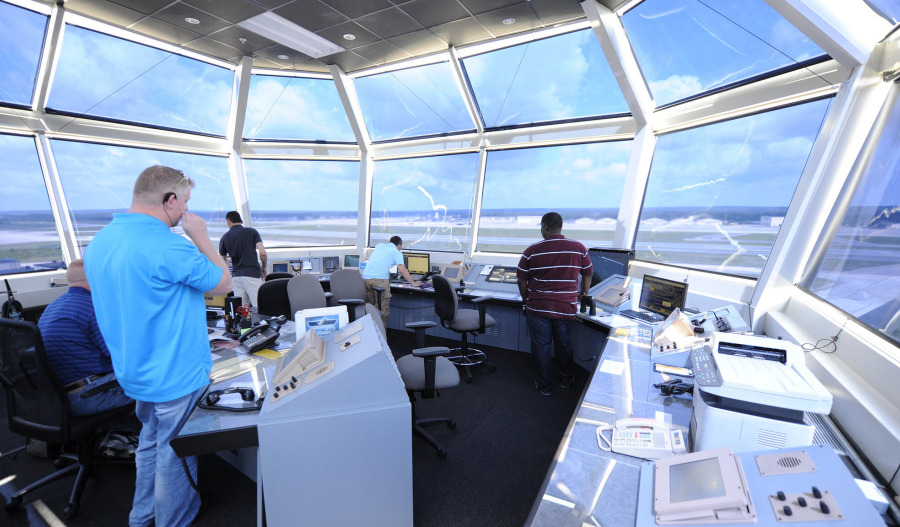
The bill adds a 3.8% raise for air traffic controllers and boosts the Federal Aviation Administration (FAA) budget to $1.58 billion, as well as funding to hire 2,500 new air traffic controllers.
The FAA is currently 3,5000 air traffic controllers short of its staffing goals. Many current air traffic controllers work six days a week or overtime.
This comes after the Trump administration approved a 3.8% pay raise for federal law enforcement personnel, which went into effect at the start of January and did not include air traffic controllers.
It also follows last year’s government shutdown, where many air traffic controllers were forced to work without pay.

The funding will also include $514 million to subsidise air services to rural communities, known as the Essential Air Service program.
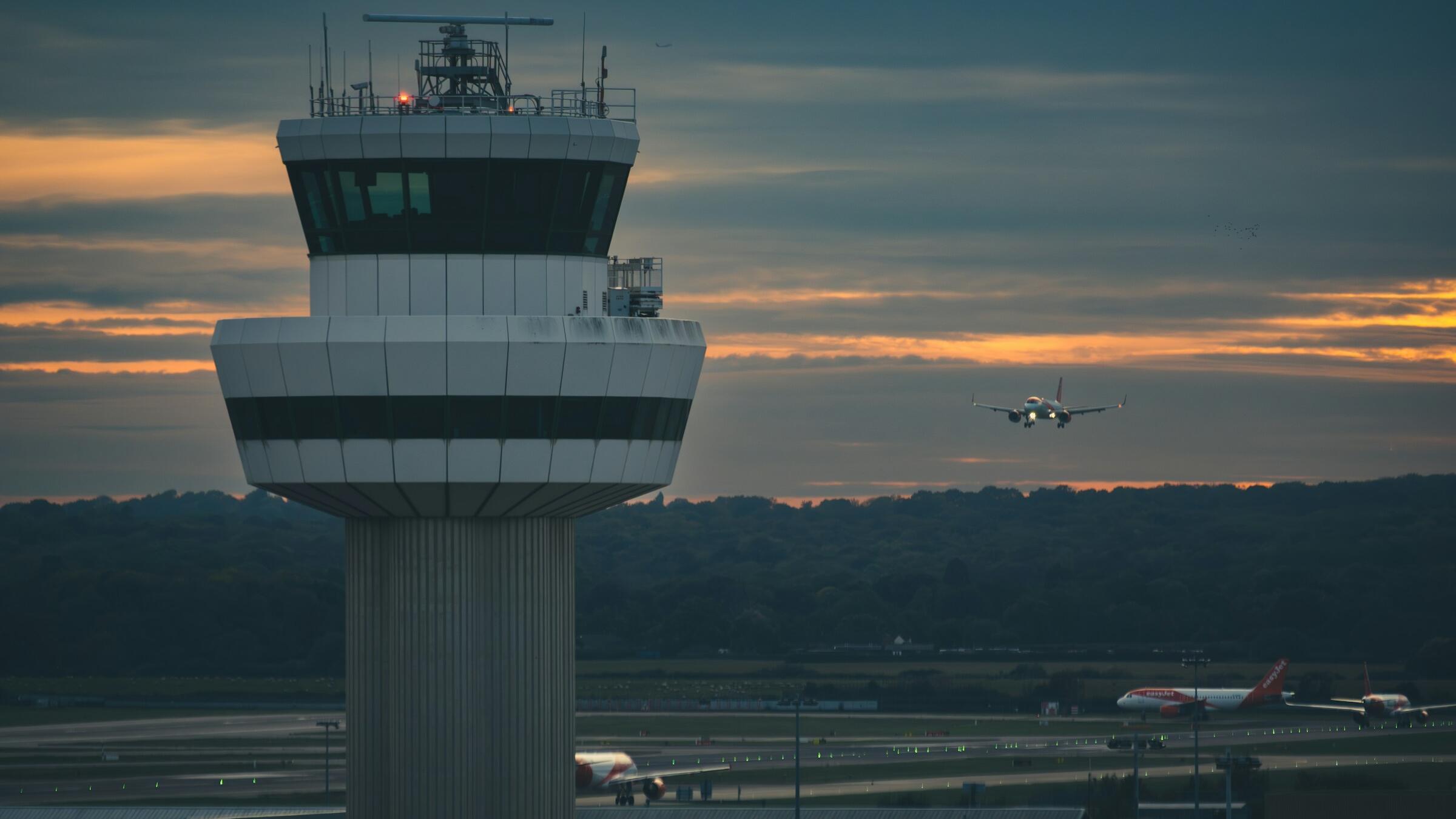
This rejects a White House proposal to cut the program by 50% and boosts annual funding to modernise air traffic control towers by $824 million.
The budget bill provides $2 million for an independent study on the airspace in the Washington, D.C. area after a January 2025 crash between a U.S. Army helicopter and an American Airlines passenger jet killed 67 people and exposed significant weaknesses in aviation safety.
It will also redirect $879 million in electric vehicle charging network funds that were approved by former President Joe Biden to other infrastructure priorities and cut US$928 million in high-speed rail grants.
The budget also provided $100 million for supplemental support for transit agencies in U.S. cities for the 2026 FIFA World Cup and $94 million for transportation assistance relating to the 2028 Olympic Games.
It also rejected a funding cut the White House proposed for the Transportation Security Administration, which sought a 3-4% cut to TSA staffing levels, with half to stop staffing exit lanes that let people re-enter public areas from secure parts of an airport. The budget includes $300 million to fund exit-lane staffing.