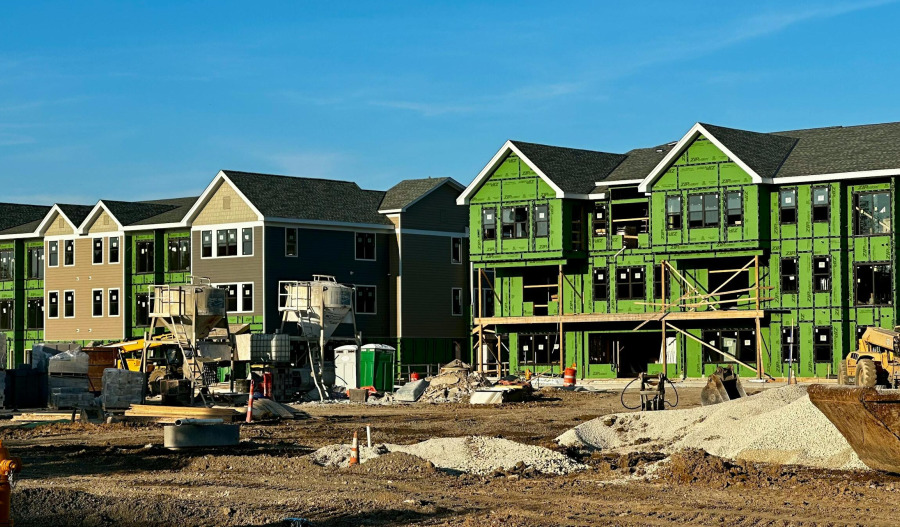
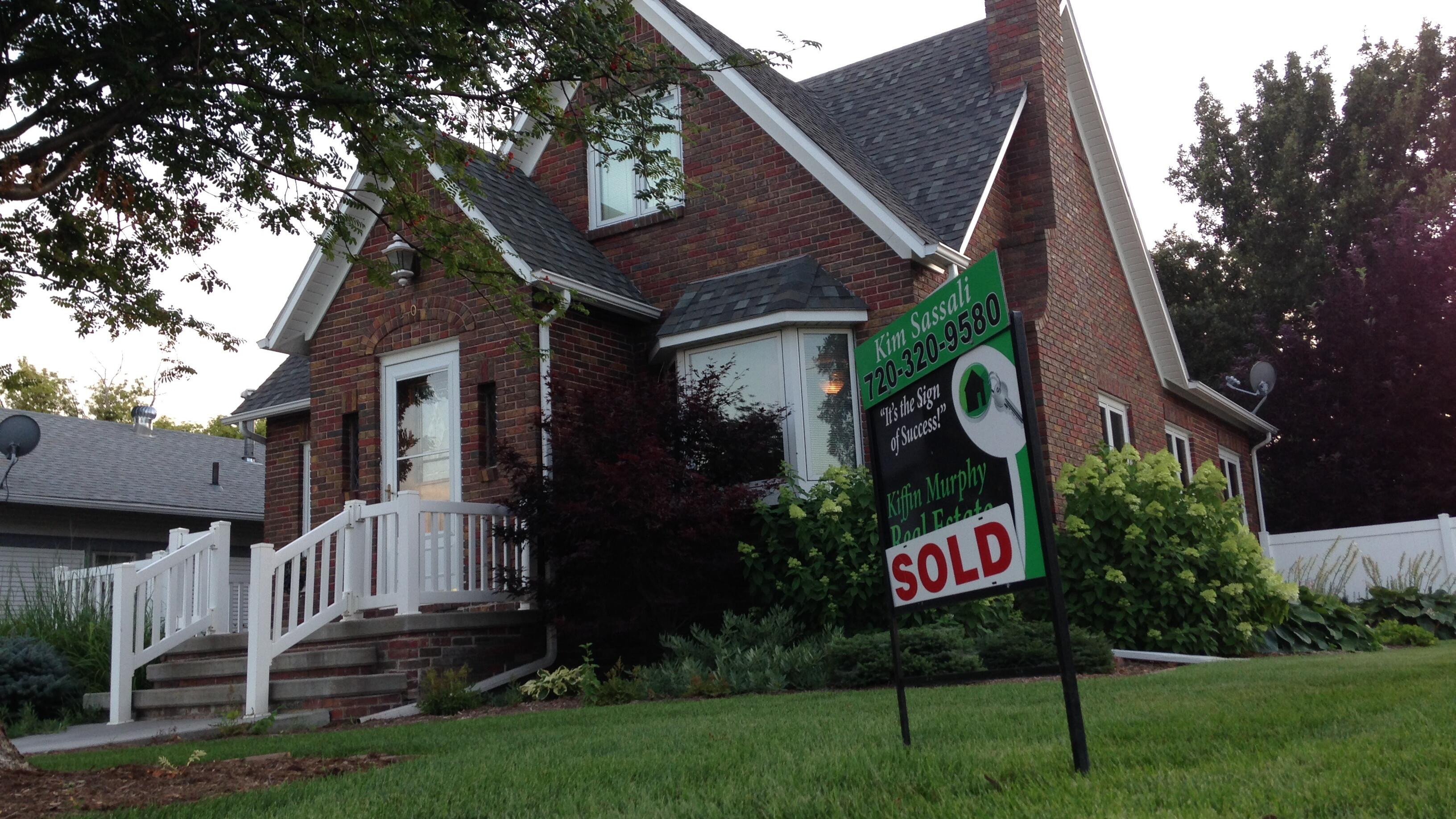
Sales of newly built homes in the United States fell sharply in January, dropping 17.6% from the previous month to a seasonally adjusted annual rate of 587,000 units, the lowest level since October 2022, according to data released by the U.S. Census Bureau.
The decline, which was steeper than economists had anticipated, signals renewed weakness in the housing market after expectations late last year that activity would begin to stabilise.
Sales were also down 11.3% compared with January 2025, with December figures revised lower.
The figures, based on signed contracts rather than completed sales, reflect buyer activity during a period when borrowing costs were relatively lower.
The average rate on a 30-year fixed mortgage ranged between 6.0 and 6.2% in January, according to Mortgage News Daily, but has since risen to about 6.36%, adding further pressure to affordability.
Inventory levels increased as demand weakened.
There were 476,000 new homes on the market in January, translating to a 9.7-month supply, up from eight months in December, Census Bureau data shows.
A balanced market typically reflects about six months of supply, indicating a growing mismatch between supply and demand.
Builders have responded by cutting prices and offering incentives.
The median sale price of a new home fell 6.8% year-on-year to US$400,500.

At the same time, 37% of builders reported cutting prices in March, up from 36% in February, according to the National Association of Home Builders.
Incentives such as below-market mortgage rates have become more common as firms seek to attract buyers.
Regional data showed declines across all parts of the country, with the steepest drops in the Northeast and Midwest, where severe winter weather likely disrupted activity.
However, sales also fell 22% in the West, suggesting broader demand weakness beyond weather-related factors.
Analysts claim the downturn reflects both cyclical and structural pressures.
Lisa Sturtevant, chief economist at Bright MLS, said adverse weather contributed to reduced buyer traffic but noted the scale of the decline exceeded expectations.
Meanwhile, real estate agents report buyers are increasingly sensitive to pricing and financing conditions.
Rising mortgage rates in recent weeks have compounded the slowdown.
According to reporting by Reuters, borrowing costs have climbed as geopolitical tensions and higher oil prices pushed up U.S. Treasury yields, which mortgage rates typically track.
The housing sector has struggled to regain momentum since interest rates began rising in 2022.
While new home sales are inherently volatile and represent a smaller share of overall transactions, the January data suggests the market remains constrained by affordability challenges, elevated inventory and cautious buyer sentiment.