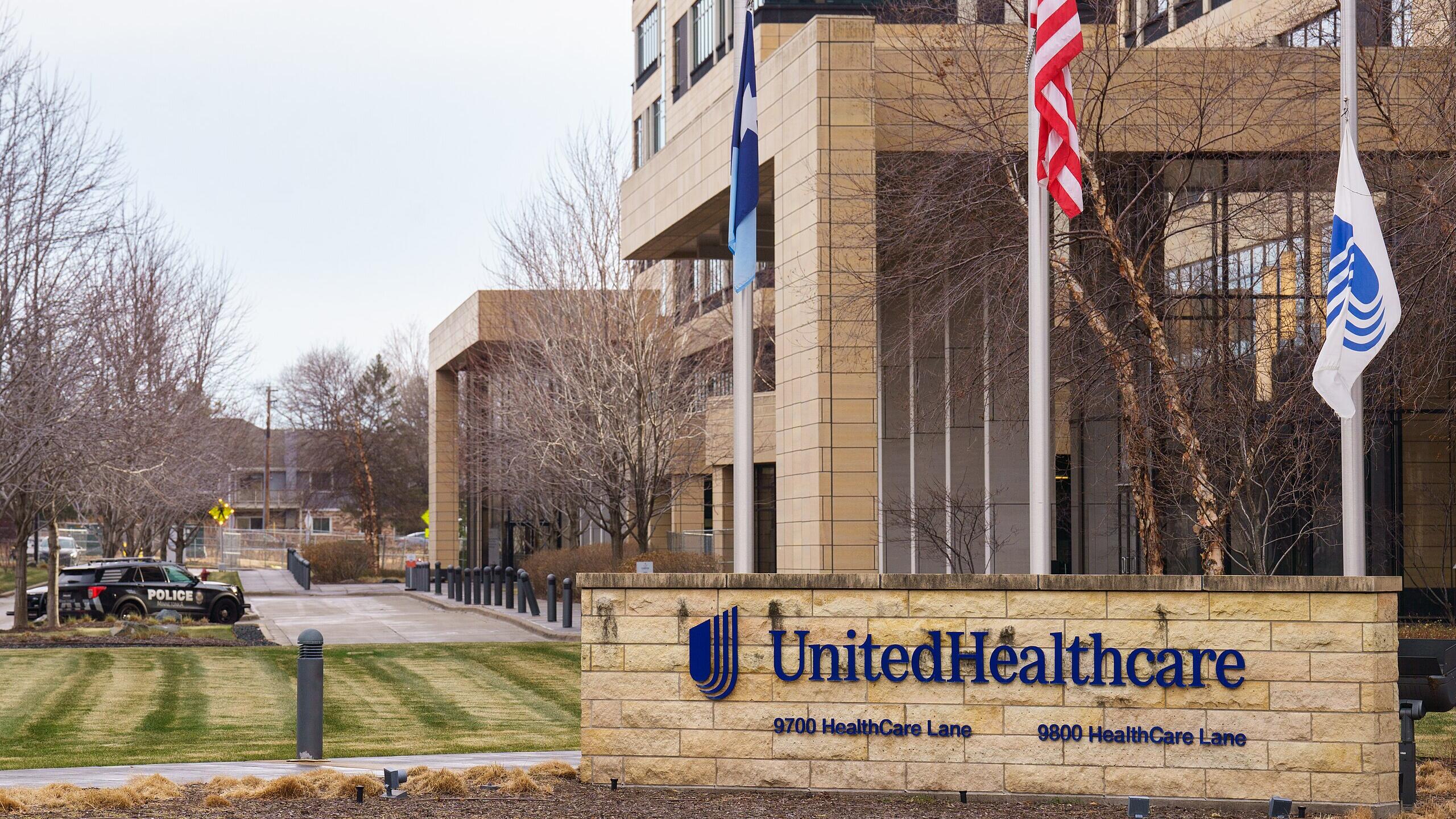
Following talks that have been underway for nearly a year, UnitedHealth Group - the largest health insurance provider in the United States - has reportedly reached a deal to sell its last remaining business in South America, Banmedica, to Brazilian private equity firm Patria Investments in a transaction valued at about US$1 billion.
The agreement is understood to have been finalised on Saturday, and an official announcement is expected from the Minnesota-based company on Monday.
The sale flags yet another step in UnitedHealth’s plans to fully exit Latin America, a process the company began in 2022 when it sold its operations in Brazil and Peru.
As of June, Banmedica - which operates in Colombia and Chile - served 1.7 million health plan members and ran seven hospitals and 47 medical centres, following its earlier divestment from Peru.
UnitedHealth’s departure from the region removes another distraction as CEO Stephen Hemsley works to stabilise the company, which has been in the public eye for all the wrong reasons over the last two years.
Since resuming the CEO role in May—after previously serving as CEO from 2006 to 2017—Hemsley has been focused on rebuilding trust with investors and customers following a string of incidents that both compromised the company’s reputation and its financial performance.
Hemsley’s return was part of a broader management shake-up prompted by the company’s first earnings miss in more than ten years.
Despite recent turbulence, UnitedHealth raised its annual profit outlook in October and is now targeting a return to growth in 2026, with stronger momentum expected in 2027.
Last year, the company recorded US$8.3 billion in losses tied to its South American exits—US$7.1 billion from the Brazil sale and US$1.2 billion from Banmedica.
Overall, 2024 was marked by a series of unprecedented crises that significantly impacted UnitedHealth's operations, finances, and public image.
In April of that year, a cyberattack resulted in a total estimated loss of US$3.09 billion; seven months later, the company reported that the personal and health information of up to 190 million people had been compromised.
To round off the year, Brian Thompson, the CEO of the company’s insurance division, UnitedHealthcare, was fatally shot in New York City outside an investor event.
Since then, the U.S. Department of Justice (DOJ) launched an antitrust and Medicare overcharging probe into UnitedHealth in the wake of the cyberattack.
The company has also been sued for allegedly concealing how backlash from the killing of Thompson was affecting its business.