The names of all travellers to the United States are being provided to immigration officials, expanding its use of data sharing to expel people under deportation orders.
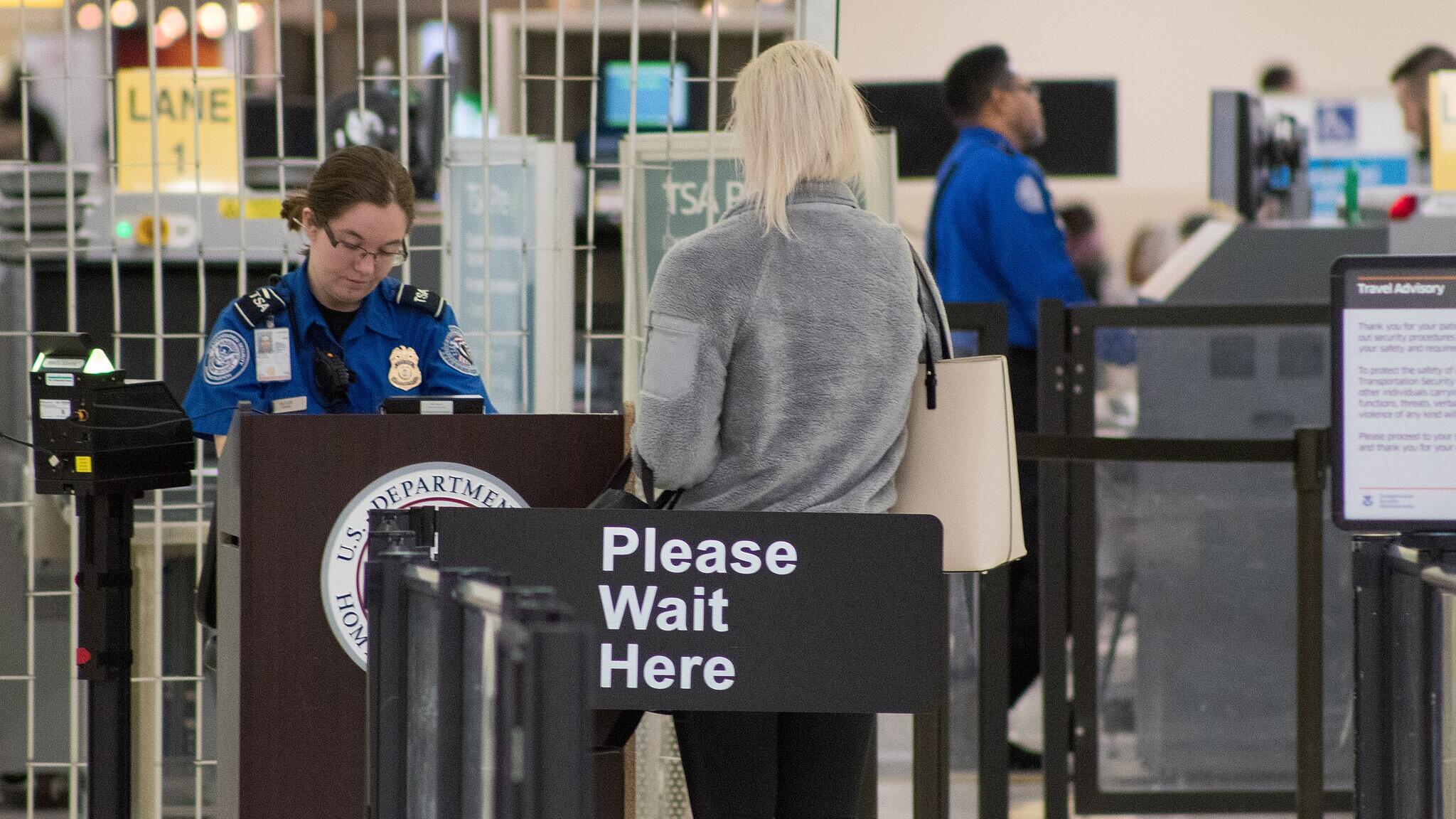
The previously undisclosed program saw the Transportation Security Administration provide a list multiple times a week to Immigration and Customs Enforcement of travellers who will be coming through airports.
From there, ICE could match the list against its database of people subject to deportation and send agents to the airport to detain them.
This ramp-up has been pervasive inside the Department of Homeland Security, which houses both ICE and TSA.
Historically, ICE has avoided interfering with domestic travel, but the quiet partnership that began in March is just part of how the Trump administration is increasing cooperation and information sharing between agencies as part of the president’s goal to carry out the largest deportation campaign in U.S. history.
“The message to those in the country illegally is clear: The only reason you should be flying is to self-deport home,” Tricia McLaughlin, a spokeswoman for the Department of Homeland Security, said.

Before this partnership, TSA did not get involved in domestic criminal or immigration matters, according to a former agency official.
This comes after top White House official Stephen Miller floated the goal of 3,000 immigration arrests a day and met with top ICE officials about how to increase deportations.
The program has come under scrutiny from officials at Human Rights First, an advocacy program for immigrants.
They described Trump’s mass deportation efforts as “another attempt to terrorise and punish communities”.
A senior ICE official during the Biden administration said the move could distract from airport security and contribute to longer wait times.
“If you have more officers conducting arrests at airports, it puts more strain on the system, delays and complications may annoy and frighten some travellers, and those who are unsure about their status will move away from air travel,” Claire Trickler-McNulty said.
“It will continue to reduce the space where people feel safe going about their business.”