Switzerland has considered intervening against any significant appreciation in the country’s currency following the war in Iran, but doing so could land it in hot water with the White House.
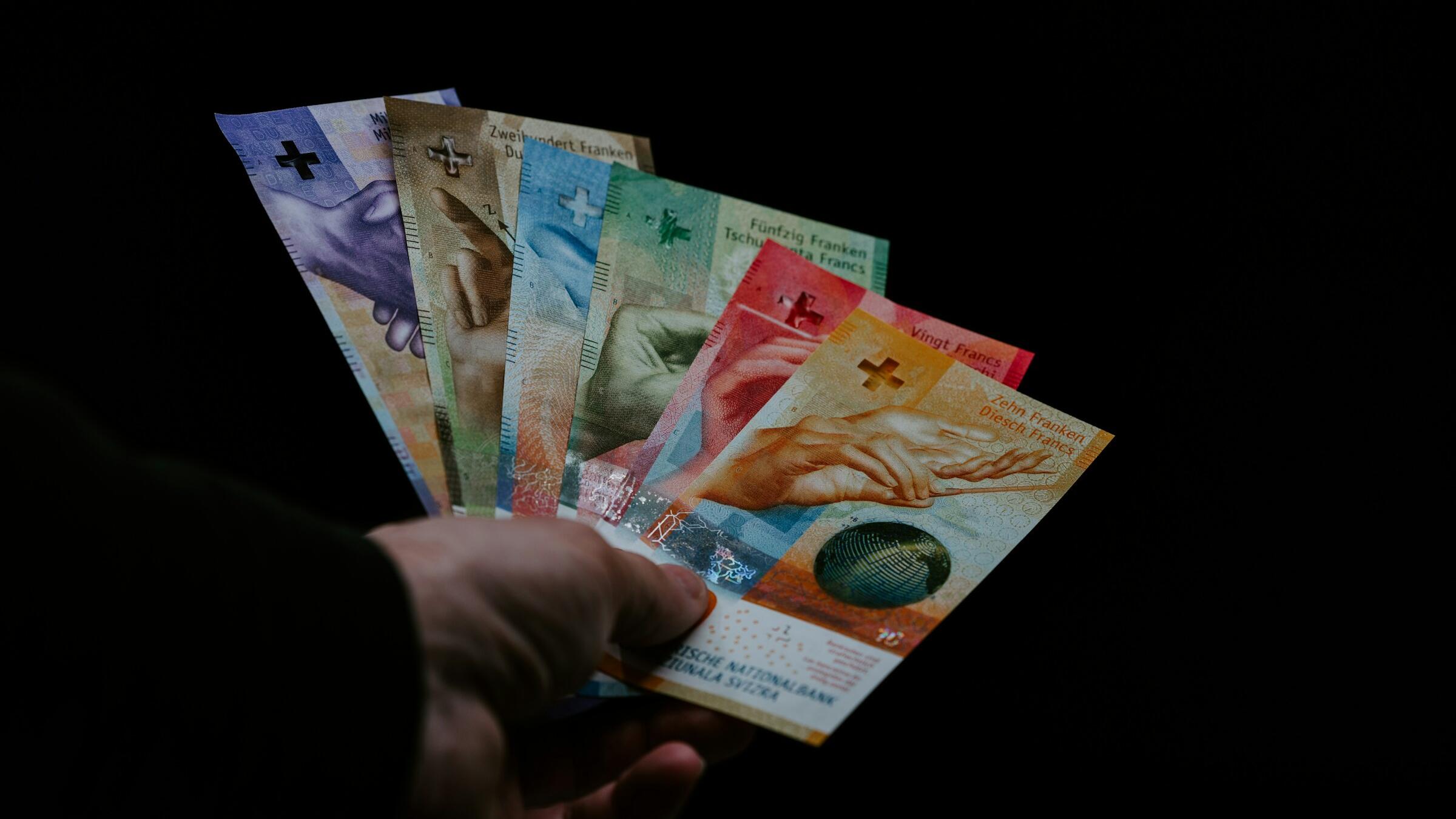
“Given the conflict in the Middle East, the Swiss National Bank's (SNB) willingness to intervene in the foreign exchange market has increased,” the SNB said in a statement.
“The SNB thereby counters a rapid and excessive appreciation of the Swiss franc, which would jeopardise price stability in Switzerland.”
This comes as the SNB has kept the policy rate unchanged at 0%.
Inflation for the country has only changed slightly from 0.0% in November to 0.1%. The rise was driven by higher goods inflation.
However, the SNB said the war in the Middle East has created uncertainty for future economic outlooks and is expected to increase inflation.
“In its baseline scenario, the SNB anticipates that the increase in energy prices will raise inflation in many countries in the short term,” the SNB said.
“Furthermore, global economic growth is likely to temporarily slow somewhat.”

The Swiss franc, widely considered a safe-haven asset, has been boosted by broader market volatility.
Turbulence and uncertainty last year saw the franc rise against the U.S. dollar, and strengthen against regional peers, the euro and the British pound.
A strong franc puts pressure on the country’s economy, which briefly tipped into disinflation last year and threatens the world’s exports.
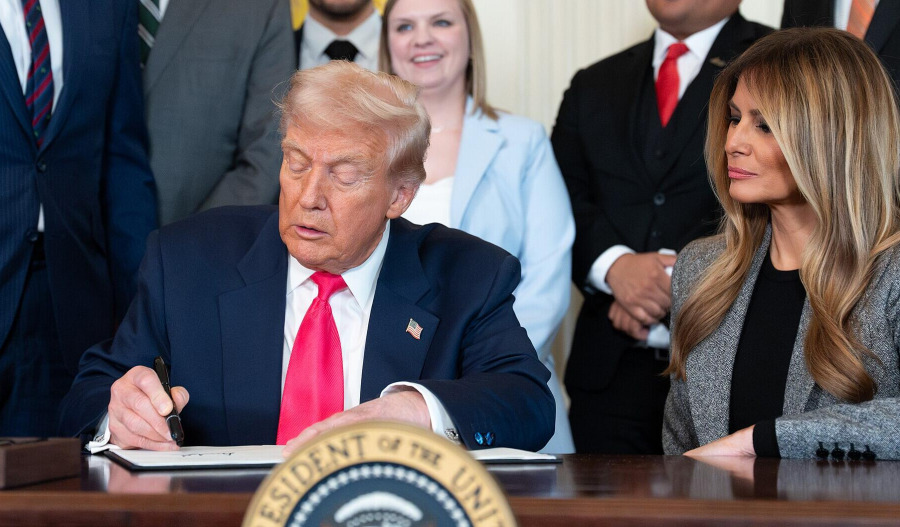
Switzerland has attempted to implement currency intervention strategies, which have not been met kindly by U.S. President Donald Trump.
Switzerland was part of the nine countries that Trump added to a “Monitoring List” last year.
The list tracked trading partners whose currency practices and macroeconomic policies merit close attention,” building on accusations of currency manipulation aimed at Switzerland during Trump’s first presidential term. Swiss officials have denied those allegations.
Switzerland was hit by a 39% tariff by the U.S. last year, which was one of the highest imposed on any nation, which the White House attributed to “currency manipulation and trade barriers”.
Switzerland later made a deal to lower its tariff rate to 15%. But, even after the Supreme Court invalidated Trump’s tariff regime, the country was once again placed under investigation by the Trump administration, which last week launched a Section 301 probe into 16 trading partners.
If investigations find Switzerland's policies or practices to be “unreasonable or discriminatory and burden or restrict U.S. commerce”, the United States Trade Representative will have the authority to impose new tariffs or other import restrictions on the country.