

Rabbi Zvi Kogan, an Israeli-Moldovan Chabad emissary based in Abu Dhabi, has been murdered after being abducted, it has been reported.
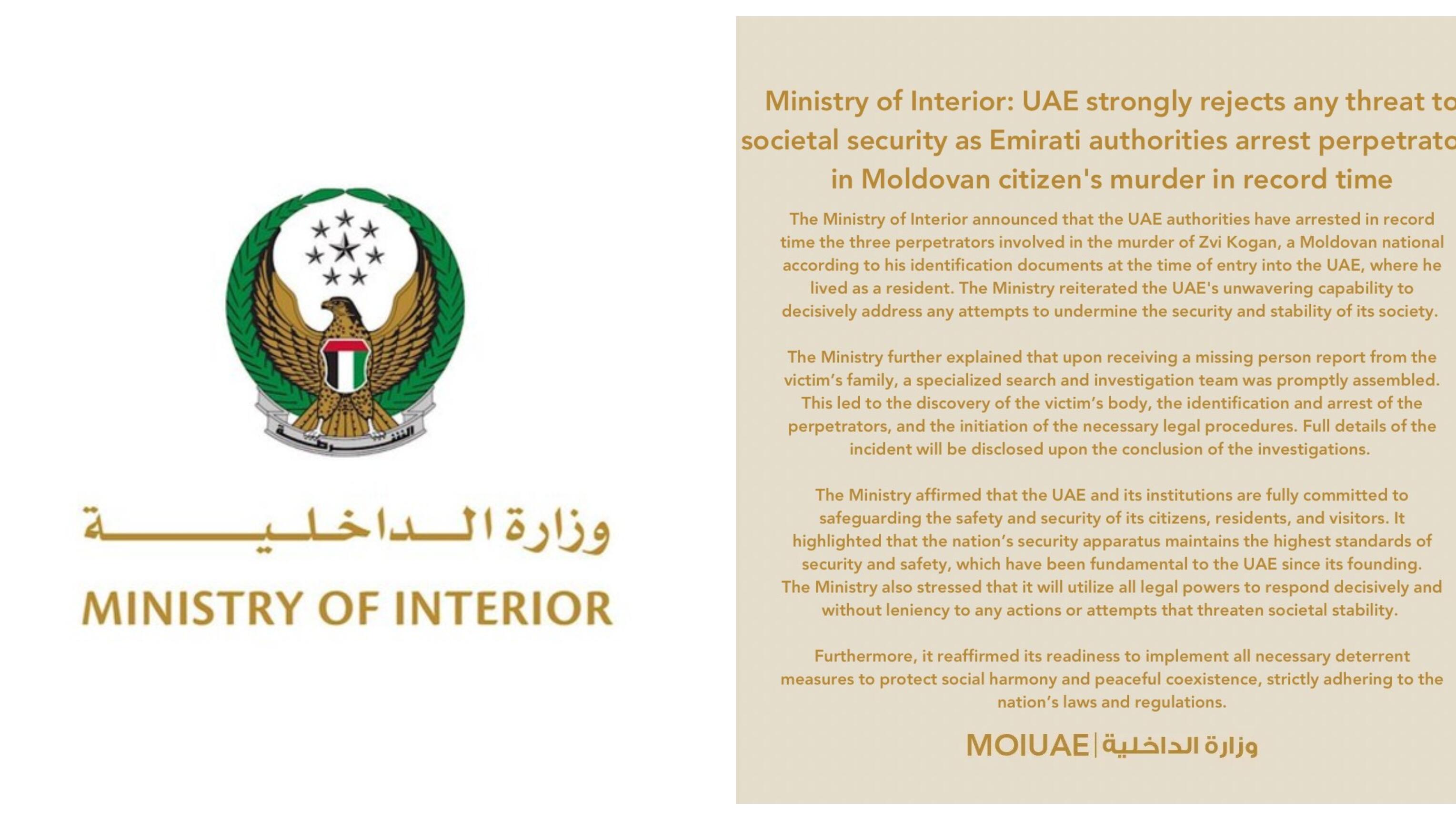
Three suspects have been arrested in the U.A.E. over the alleged murder, the country's interior ministry said.
The Israeli government has condemned the act as a heinous antisemitic terrorist incident, with Prime Minister Benjamin Netanyahu vowing to bring the perpetrators to justice. The U.A.E.'s Ministry of Interior confirmed the investigation, and the incident raised concerns about Jewish communities' safety in the region.
“The Ministry reiterated the U.A.E.'s unwavering capability to decisively address any attempts to undermine the security and stability of its society,” U.A.E.'s Ministry of Interior said in a statement, affirming that “the U.A.E. and its institutions are fully committed to safeguarding the safety and security of its citizens, residents, and visitors.”
Rabbi Kogan's alleged abduction and murder has strained relations between Israel and the U.A.E., which normalised ties in 2020.
The incident has also heightened tensions in the Middle East, with Israeli authorities urging citizens to avoid non-essential travel to the U.A.E. The international Jewish community has expressed deep sorrow and outrage over the loss, urging the need for increased security and vigilance.
There has been a significant upsurge in violence and humanitarian crises in the Israeli-Palestinian conflict recently.
Israeli Defense Forces (IDF) has conducted extensive military operations in the Gaza Strip, targeting Hamas infrastructure and militant groups.

A significant number of civilians have been killed and widespread destruction has been caused by these operations.
Meanwhile, Hamas and other Palestinian militant groups have fired rockets into Israeli territory, causing widespread damage and casualties.
There was a call for a ceasefire from the international community in response to the violence. United Nations Security Council emergency meetings have been convened to discuss the situation, while many countries have offered humanitarian aid. In Palestine, thousands of people have been displaced, food shortages have occurred, and essential services are not available due to the conflict.
Airstrikes by Israel have caused severe damage in Beirut, particularly in its southern suburbs. The Hezbollah group has responded with heavy rocket and drone attacks on Israel, causing both sides to suffer casualties and destruction. There have also been significant casualties in Syria from Israeli strikes that target pro-Iranian groups.
The conflict has profound economic consequences. Damage to infrastructure, such as hospitals and schools, disrupts daily life and business activity in affected areas. Blockades in Gaza have further exacerbated the economic situation, leading to shortages of essentials. The conflict has also affected the broader region, resulting in increased military spending and reductions in foreign investment.
The conflict has led to a rise in oil prices and a rise in financial volatility globally. In the region, uncertainty and instability have affected trade routes and supply chains. As a result, goods and services cost more. A growing need for assistance has also strained international aid resources, with many countries and organisations struggling to meet demand.
There have also been political ramifications, with regional and global tensions rising. As part of diplomatic efforts to broker a ceasefire and promote peace negotiations, the United States, the European Union, and other countries have been involved. The International Criminal Court has issued arrest warrants for Netanyahu and other key figures, further complicating matters.
International organisations and governments have called for de-escalation and dialogue between both sides to bring peace and a negotiated resolution. Peace agreements that address the underlying issues and ensure Palestinian and Israeli safety and well-being remain paramount.
There are significant humanitarian, economic, and political ramifications for the region and the world as a result of the Israeli-Palestinian conflict. In addition to causing a dire humanitarian crisis, the ongoing violence has disrupted economic activities and strained international relations.