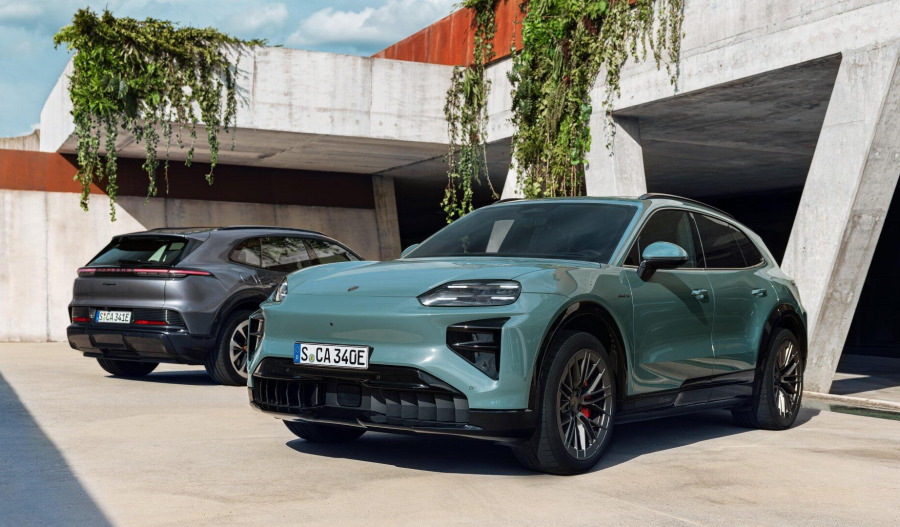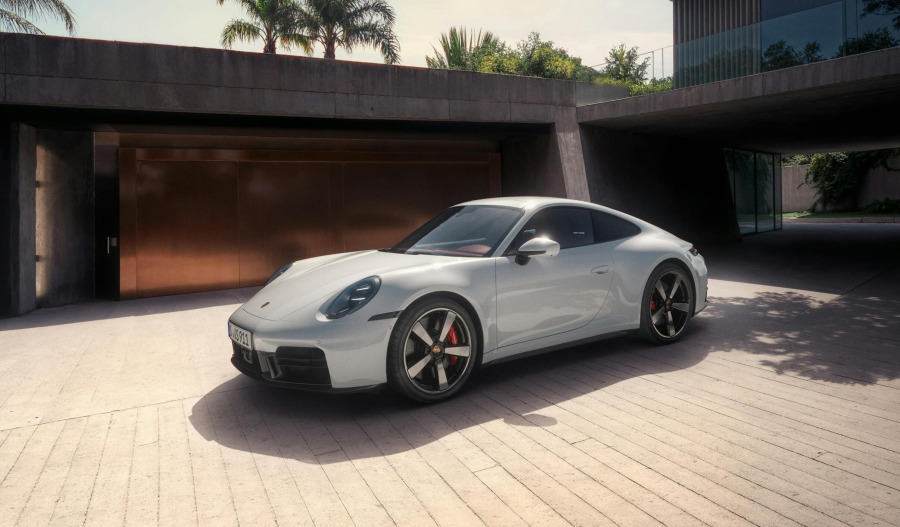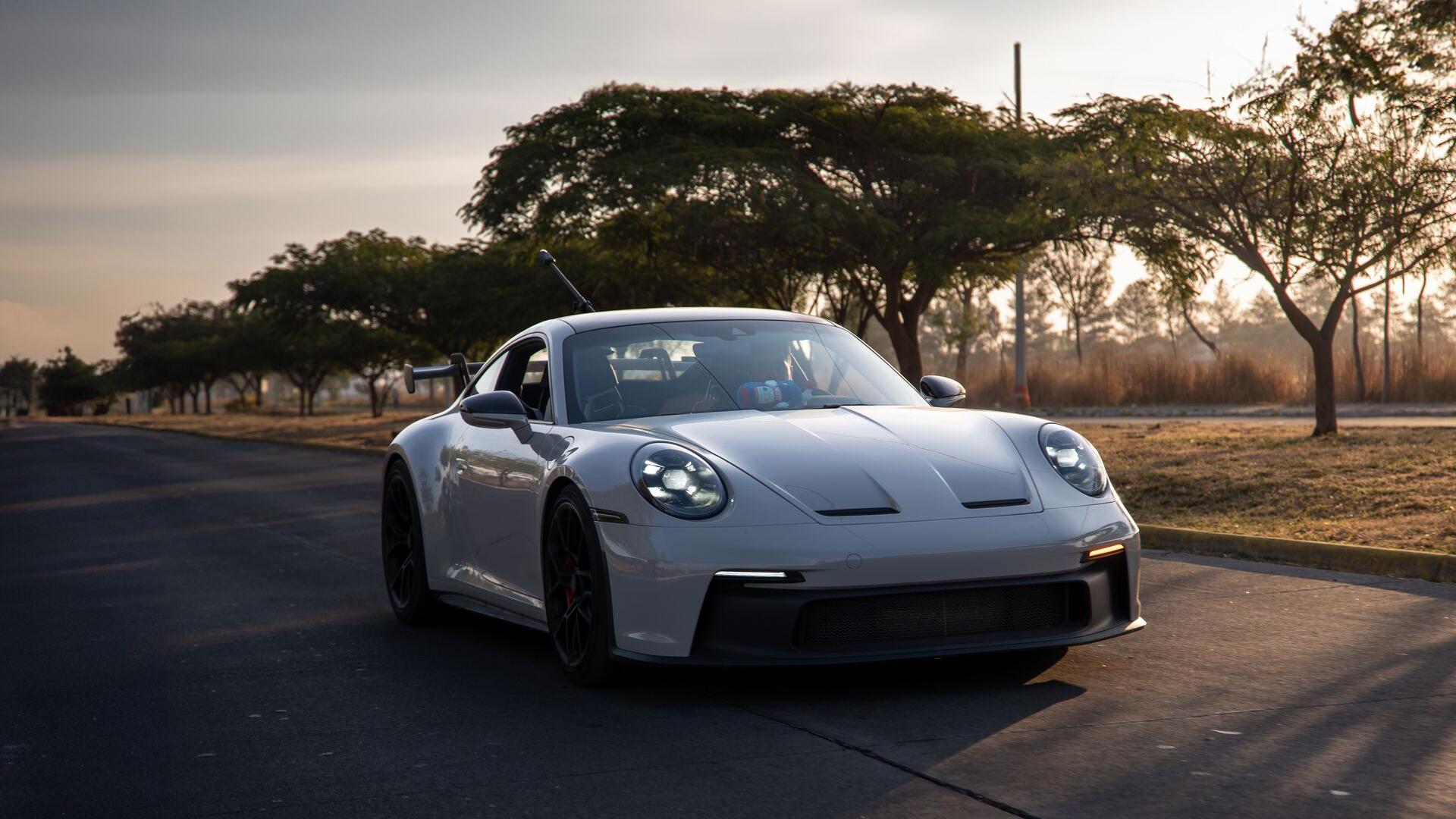
Porsche will eliminate around 9,000 jobs by 2035 as the luxury carmaker restructures amid weakening demand in China, slowing electric vehicle adoption and rising competition from Chinese manufacturers.
The German automaker reached an agreement with labour representatives on Monday to remove 5,000 additional positions through measures including natural attrition and voluntary exit programmes, avoiding compulsory redundancies.
The latest cuts follow a first package of 3,900 job reductions agreed in February 2025 and a further 500 positions announced this year linked to the closure of subsidiaries.
Porsche employed around 42,600 people at the end of 2024, meaning the planned reductions represent more than one-fifth of its workforce.
New CEO Michael Leiters, who took over at the start of the year, has been tasked with restructuring the company after a sharp downturn in its previously profitable Chinese market and difficulties with its electric vehicle strategy.

Other German automakers, including Mercedes-Benz and BMW, are also cutting costs as they navigate the transition to electric vehicles, increased competition from Chinese brands and the impact of higher tariffs.
Under the agreement, Porsche will keep its production sites open until the end of 2035 and invest €2.1 billion (US$2.39 billion) in its Stuttgart-Zuffenhausen factory and Weissach research and development centre, the company and works council said.
The announcement followed a Porsche supervisory board meeting last Wednesday, where additional cost-cutting measures were approved.
Former Porsche CEO Oliver Blume remains chief executive of parent company Volkswagen after stepping away from a dual leadership role that had faced criticism from investors.
Blume is now pushing to double planned workforce reductions across the Volkswagen Group to 100,000 positions, arguing the measures are needed to remain competitive as Chinese automakers expand across Europe.
He has also warned that four Volkswagen Group factories, including an Audi facility, could face closure after 2030.