

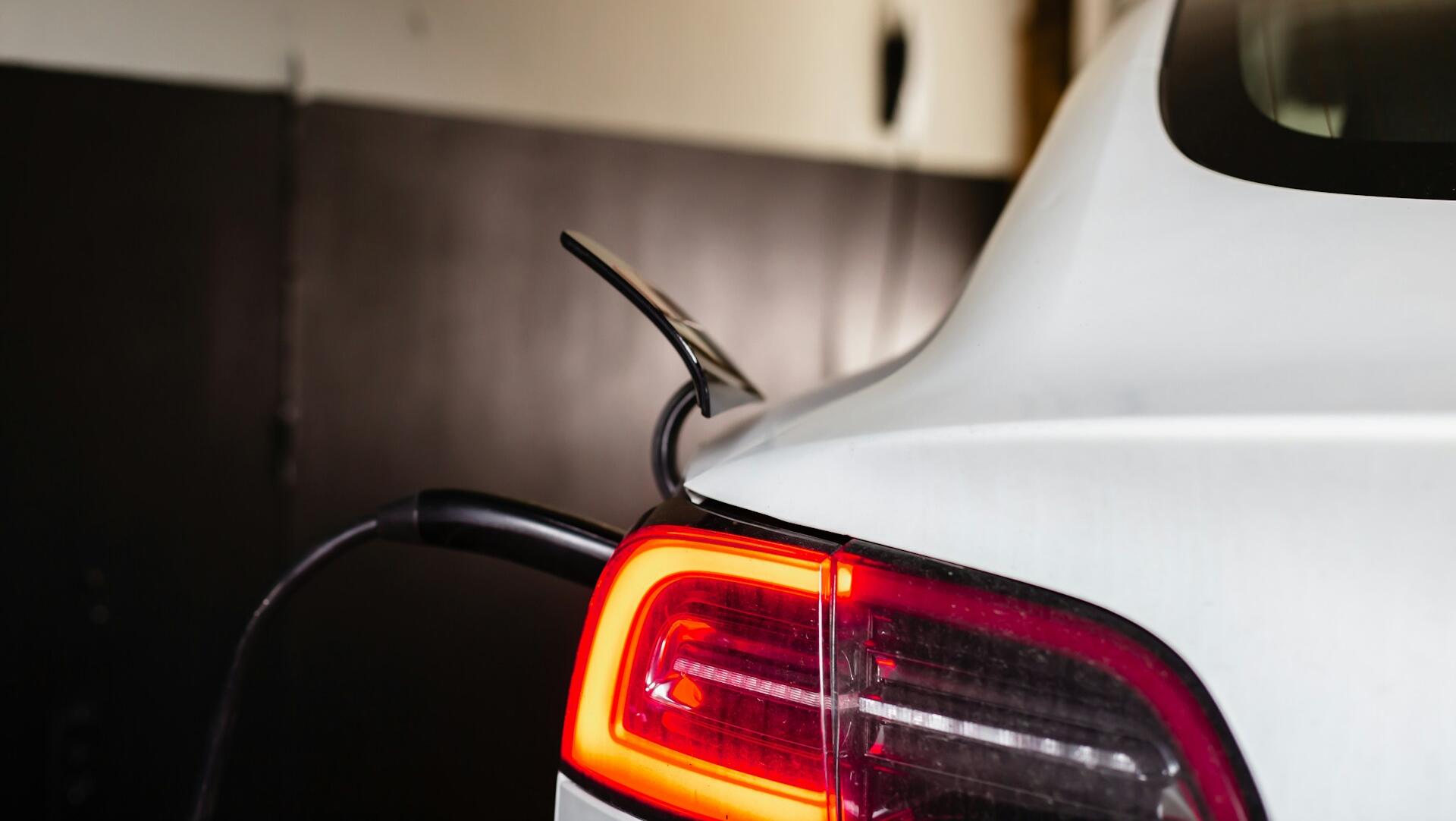
2023 data from the Electric Vehicle Council (EVC) has revealed EV sales now make up 10% of Australia’s car market, with growth forecasts largely spurred by government expansion of the national charging network.
It’s quite an uptick in range too, with 110,000 new EVs expected to be sold by the end of this year from a catalogue of 122 models - that’s 50% more variety compared to 2023.
Driving the forecast boost to the sector, in August, parliament legislated its national electric vehicle strategy (NVES) that provisions three key objectives to be a “globally competitive market for EVs” by:
- Increasing the supply of affordable and accessible EVs
- Establish the resources, systems and infrastructure to enable rapid EV uptake
- Encourage increased EV demand
A standout feature of the legislation is the introduction of a fuel efficiency standard for new cars, a mechanism designed to gear sellers to stock and sell vehicles with lower carbon emissions.
Naysayers could say that the comparatively slow adoption of non-combustibles was the government not being proactive enough, while the other side of the coin would argue that low population density and vast distances inhibited their growth down under.
To put this in perspective, Norway’s EV sales make up a whopping 87% of new cars on the road and the global average is between 12-14% - still above Australia.
The government-backed NVES stated the changes will provide more choices and better access to charging stations as part of Australia’s part in the globalised effort to reduce carbon emissions.
And consumer sentiment towards purchasing EVs down under is growing.

Cautious optimism
Better battery tech, translating to longer EV driving ranges, has now opened up economic benefits for consumers to adopt the cleaner, cheaper to run vehicles here in the nation.
EVC agrees and reckons Australia is primed to accelerate its EV transition, helping more Australians make the switch and supporting a sustainable future.
“The expansion of our national charging network, with over 1000 fast and ultra-fast locations, is driving EV sales growth,” EVC head of legal Aman Gaur said.
“To maintain this momentum, governments must keep investing in public charging, including kerbside options, and explore solutions for Australians without off-street parking.
“We also need stronger efforts from government, industry and other organisations to combat misinformation about EVs, which undermines public support and hinders the transition, and all levels of government must implement consistent policies to boost EV supply and remove barriers to electrifying transport.”
The move has also been welcomed by the Clean Energy Council, a lobbyist for green tech and pollution reduction, which said while there's plenty still to be done, the changes are a net positive towards reducing transport emissions across the nation.