Fears of a new arms race have emerged after the last remaining atomic arms control treaty between Russia and the United States expired.
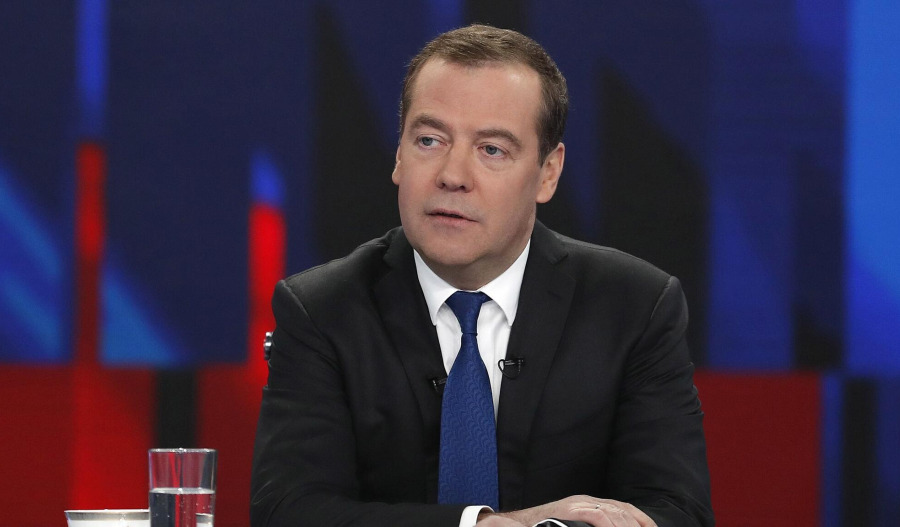
The New START treaty was signed in 2010 in 2010 by former U.S. president Barack Obama and Russian president at the time Dmitry Medvedev.
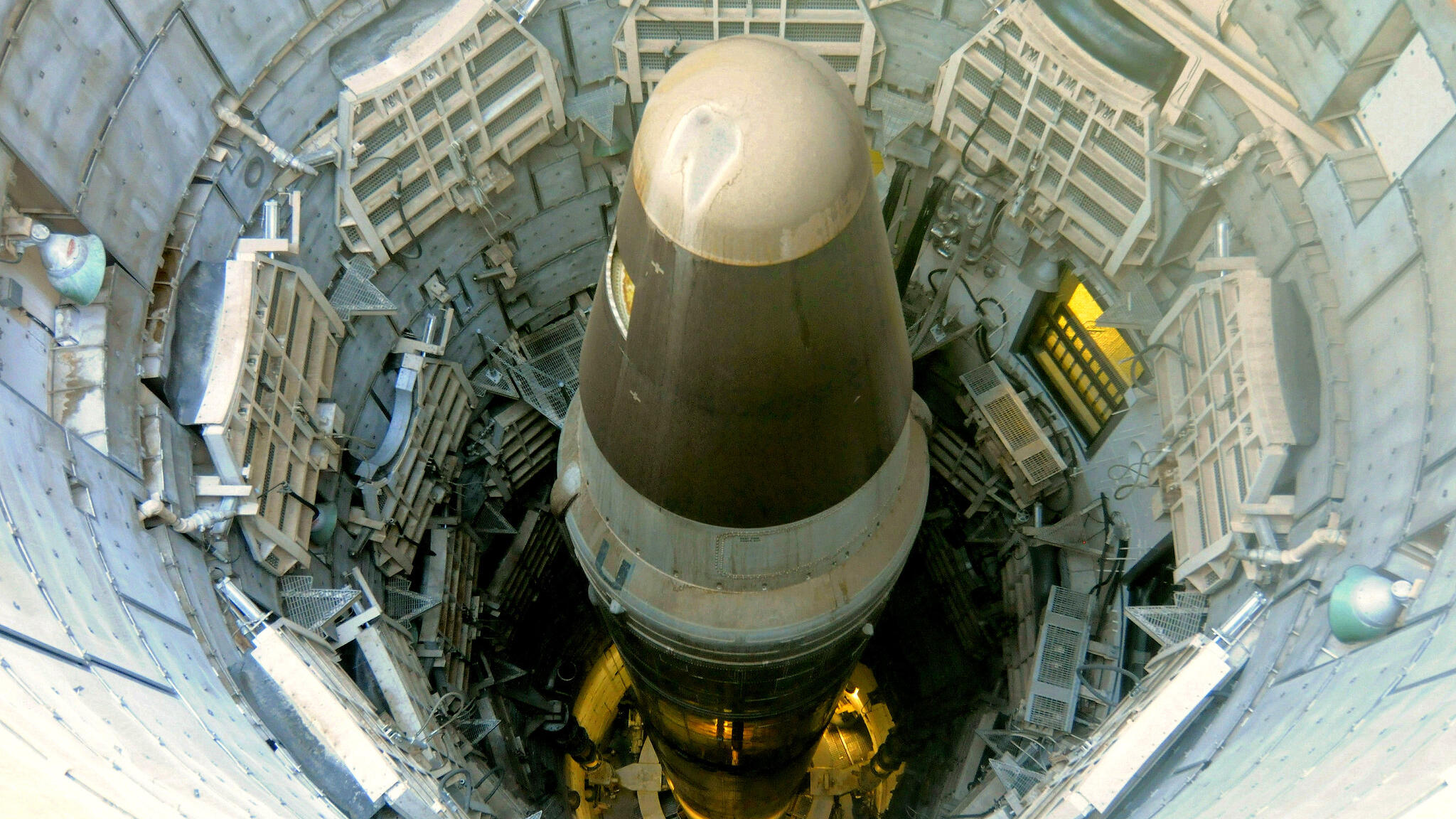
It capped the number of deployed strategic warheads for each party to 1,550 and established some transparency, including data transfer, notifications and on-site inspections.
The expiry of the treaty means Moscow and Washington will be free to increase missile numbers and deploy hundreds more strategic warheads. Due to logistical challenges, this will take time, but the expiry of the treaty still signals potential for a dangerous new era.
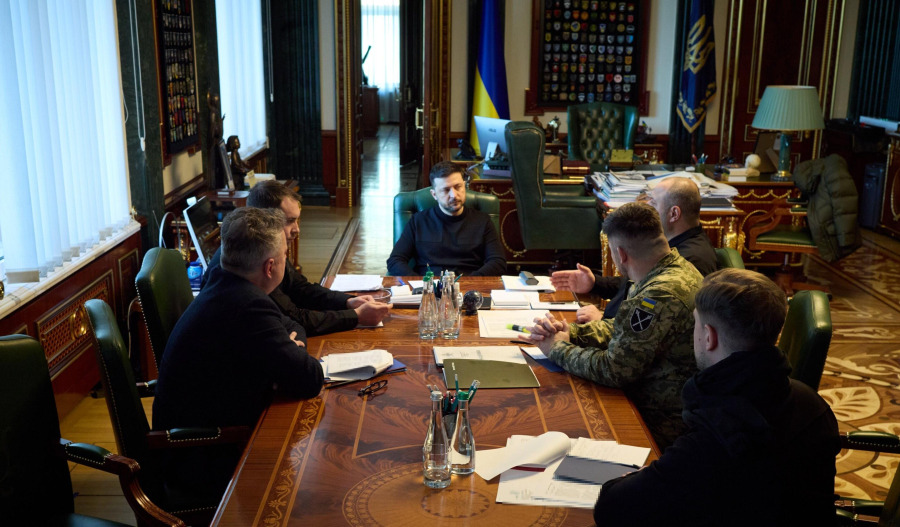
While Russia suspended the treaty three years ago when tensions grew with Ukraine, both countries were thought to be abiding by the treaty.
According to the Russian Ministry of Foreign Affairs, the U.S. didn’t respond to current Russian President Vladimir Putin’s proposal to keep observing the missile and warhead limits in the treaty for another 12 months.

“We assume that the parties to the New START treaty are no longer bound by any obligations or symmetrical declarations within the context of the treaty,” the ministry said.
“Essentially, our ideas are being deliberately ignored. This [US] approach appears mistaken and regrettable.”
In response to Russia’s comments, the United Nations said the expiry of the New START treaty was a “grave moment for international peace and security”.
U.S. President Donald Trump has expressed that he was open to the idea of an extension, but downplayed New START’s expiration in January, telling the New York Times, “If it expires, it expires. We’ll do a better agreement.”
Trump also said China should be involved in future nuclear talks.
Russia and the US’s nuclear arsenal accounts for more than 90% of all nuclear weapons in the world.
As of January 2025, Russia had 4,309 nuclear warheads, and the US had 3,700. France and the United Kingdom, which are treaty-bound US allies, have 290 and 225 warheads each, while China has about 600.