

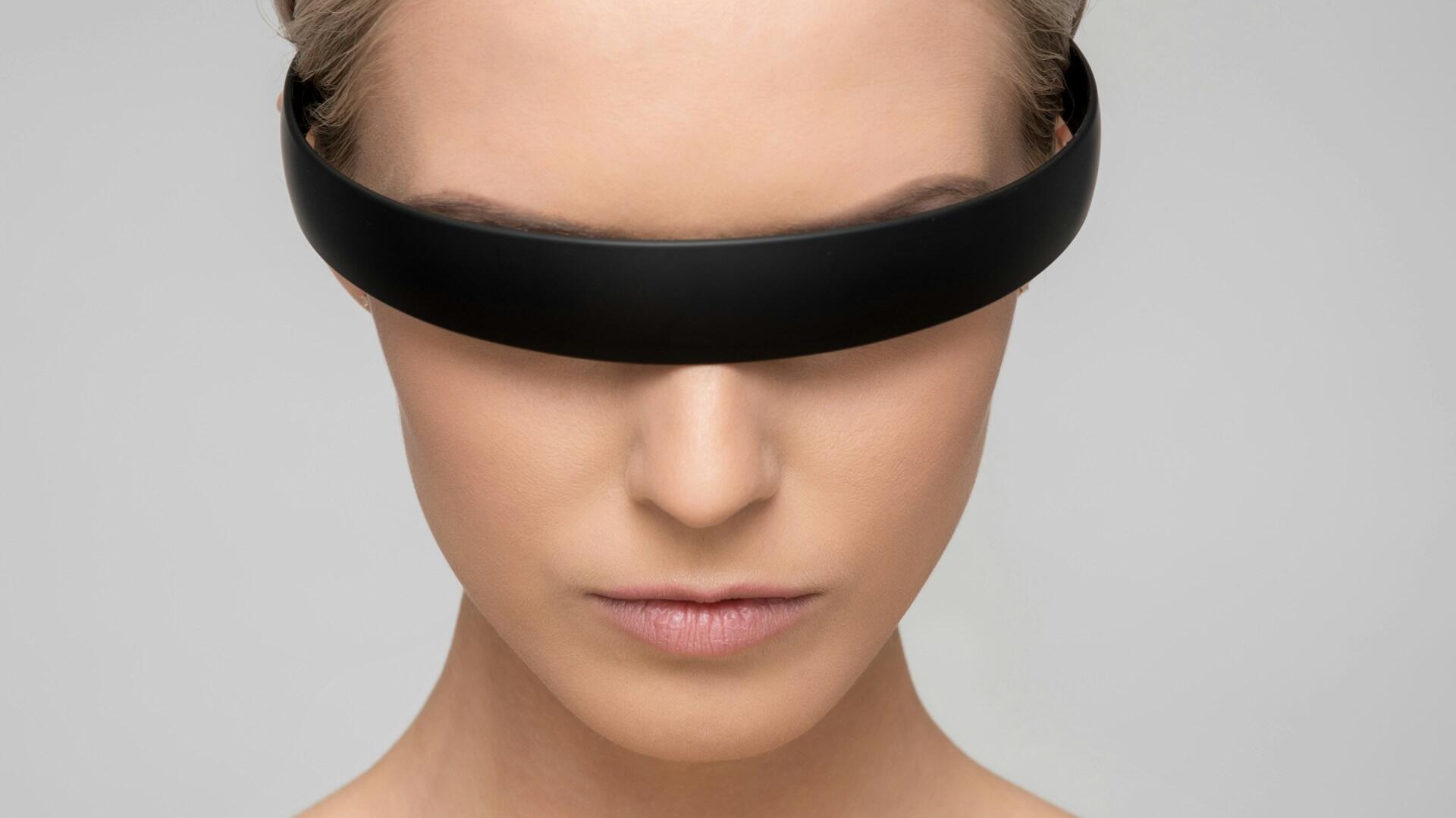
In spite of artificial intelligence (AI)'s potential to transform the luxury sector, the industry is somewhat reluctant to integrate the technology into its creative processes.
Many luxury brands fear that AI will dilute their brand identity and artisanal value, known for their emphasis on craftsmanship and exclusivity.
However, AI can be harnessed to enhance brand identity by offering personalised customer experiences that align with the brand's unique values.
Through data analysis and machine learning, AI can help luxury brands tailor their offerings to individual preferences, thereby strengthening the connection with their clientele. For instance, AI-driven chatbots allow customers to receive customised product recommendations based on their past purchases and browsing history.
Additionally, AI can assist in optimising production processes, allowing artisans to focus more on creativity and innovation, ultimately reinforcing the brand's commitment to quality and exclusivity. For instance, AI can be used to automate complex processes such as pattern cutting, reducing the need for manual labour and resulting in greater accuracy and efficiency.
This year, LVMH's founder and CEO, Bernard Arnault, who has a net worth of $184 billion, has invested in AI startups through his tech-focused venture firm and family office, Aglaé Ventures, CNBC has reported.

Meanwhile, several luxury brands are beginning to explore AI's capabilities, according to recent reports. A luxury resale app, High End, for example, is disrupting the market by guaranteeing the authenticity of secondhand designer items.
AI has the potential to enhance customer experience and streamline operations as a result of this move. Gucci and Prada use AI for personalised product recommendations, enhancing the shopping experience.
Despite luxury brands' hesitation, the integration of AI offers significant investment opportunities.
Early adopters could also gain a competitive advantage by being the first to develop innovative products and services. This could give them an edge over their competitors and open up new opportunities.
As AI technology continues to advance, luxury brands will likely find innovative ways to integrate AI without compromising their core values. This could include the use of AI-driven design tools that assist artisans in creating bespoke pieces, as well as enhanced customer service experiences through virtual assistants. Over time, the synergy between AI and human craftsmanship may lead to a new era of luxury that balances tradition with modern technological prowess.
Disclaimer: This article provides general information and does not constitute financial advice. Always consult a professional advisor before making investment decisions.