European defence stocks slid on expectations that peace talks between Russia and Ukraine are edging closer, however, the continent’s biggest arms makers are warning investors not to confuse diplomatic noise for a lasting shift in the security landscape.
Shares across the sector fell overnight after United States officials signalled progress in negotiations involving Ukrainian President Volodymyr Zelenskyy and representatives linked to President Donald Trump.
Zelenskyy said Kyiv was prepared to drop its NATO ambitions to secure an end to the war, prompting markets to flirt with the idea of a “peace dividend”.
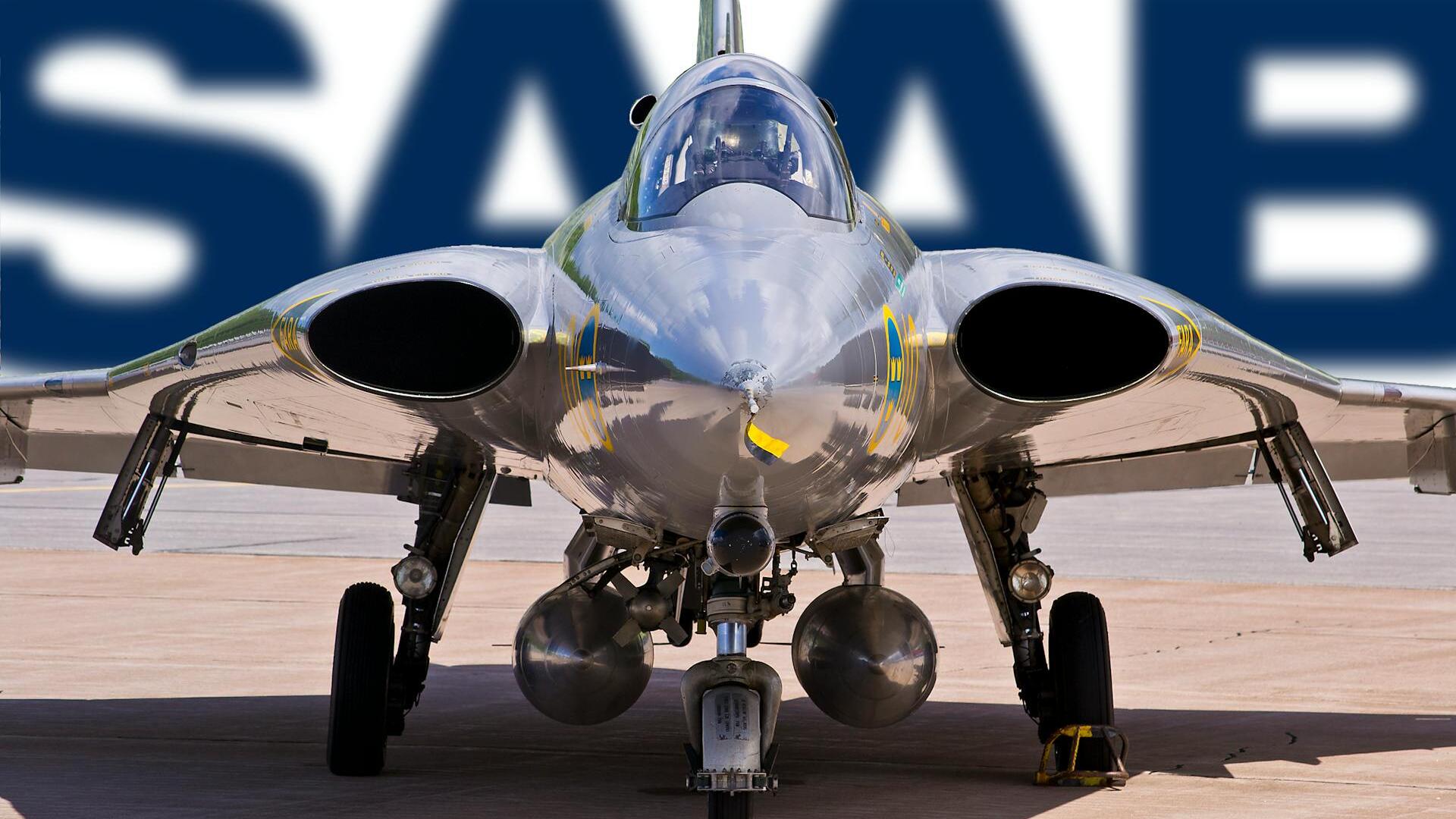
Investors moved fast with the Stoxx Europe Aerospace and Defence index dropping 1.8%, Sweden’s Saab down 4.8%, Germany’s Rheinmetall off 4.5% and Italy’s Leonardo losing 3.9%.
German sensor specialist Hensoldt and vehicle systems maker Renk also slid sharply, despite both having more than doubled in value this year.
Behind the sell-off, defence executives struck a cooler tone.
Hensoldt said that while it hoped for a just peace in Ukraine, any halt in fighting would give Moscow space to rebuild its forces, leaving Europe exposed.
The company stressed that its growth is anchored in long-term German and European programmes that run well beyond 2026, not battlefield demand from Ukraine, which accounts for only a small share of revenues.
Renk echoed a similar sentiment, blaming share price swings on fear rather than fundamentals.
The group, which supplies more than 70 armies worldwide, said the threat environment in Europe remains the most severe since the Cold War and pointed to NATO commitments to lift defence spending to 3.5% of GDP through 2035.
The broader backdrop supports their case with Europe’s defence sector having surged more than 50% this year as governments ramp up military budgets, refill depleted stockpiles and lock in multi-year procurement plans.
Order backlogs are at record highs, and earnings have ballooned, even as investors debate whether peace talks could cap the rally.
Meanwhile, security officials remain blunt with NATO chief Mark Rutte warning last week that Europe is already in Russia’s sights, while Britain’s intelligence chief said the continent faces an aggressive and revisionist Moscow.
Analysts argue markets may be getting ahead of themselves.
Christopher Granville of TS Lombard told CNBC’s “Europe Early Edition” that the recent pullback looks like a buying opportunity, insisting there will be no true peace dividend given the permanent reset in Europe’s relationship with Russia.
Others say the market is overlooking deeper forces at work.
NATO spending targets have been agreed and will not be reversed, restocking will take years, and the push for European strategic autonomy is accelerating as doubts grow over long-term U.S. security guarantees.
Even within Germany’s rearmament drive, debate is shifting from whether to spend to how to spend.
Chancellor Friedrich Merz has pledged hundreds of billions of euros to build Europe’s strongest conventional army.
This has ignited a tussle between established defence giants and a new generation of tech start-ups pitching AI-enabled drones and autonomous systems as the future of warfare.
Traditional manufacturers counter that heavy armour and ammunition will remain indispensable in any NATO conflict.
For now, markets may be betting on peace.
However, the industry is betting on something else entirely, as a representative for German vehicle systems manufacturer Renk told CNBC:
“Downward movements of the share prices are strongly driven by market sentiment rather than by clear impacts on the business outlook of Renk and other defence peers.”