

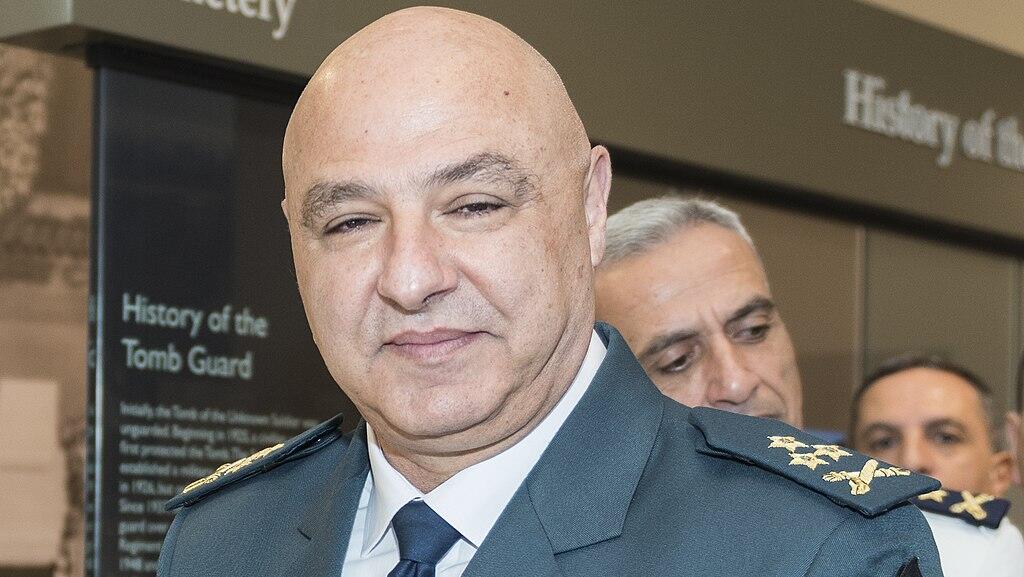
Lebanon’s parliament has elected army chief Joseph Aoun as the nation's president, ending a power vacuum that lasted nearly two years.
Winning 99 votes from Lebanon’s 128-seat parliament, Aoun’s support came from a spectrum of political figures domestically as well as earning favour with the United States, France and Saudi Arabia.
The 61-year-old became Lebanon's 14th president after the parliament met on 12 other occasions to vote but failed to elect a new leader.
This comes as the Shia Muslim militia and political party supported by Iran, withdrew on Wednesday and endorsed the commander’s candidacy.
Aoun’s election precedes a six-year-long economic depression for the country and the 2020 Beirut port explosion that killed more than 200 people.
More recently the Israel-Hezbollah ceasefire signed on 27 November, which left Hezbollah’s grip in the country significantly weakened, will also be a key factor in Aoun's presidency.

As chief of the army, Auon kept the Lebanese army out of the war with Israel, despite the deaths of more than 40 Lebanese troops during the recent conflict.
Under the terms of the ceasefire, the Lebanese army is to deploy in south Lebanon, while Hezbollah is required to withdraw its armed presence by January 26, in a move labelled by politicians and diplomats as the reclaiming of Lebanese state sovereignty.
While the Lebanese army was not involved in the conflict between Israel and Hezbollah, it now has an important role in maintaining peace, ensuring Israel will pull back behind the UN-defined border between Lebanon and Israel.
Spokesman for UN Secretary-General Antonio Guterres welcomed the election as “a critical step towards overcoming Lebanon’s political and institutional impasse”.
Related content