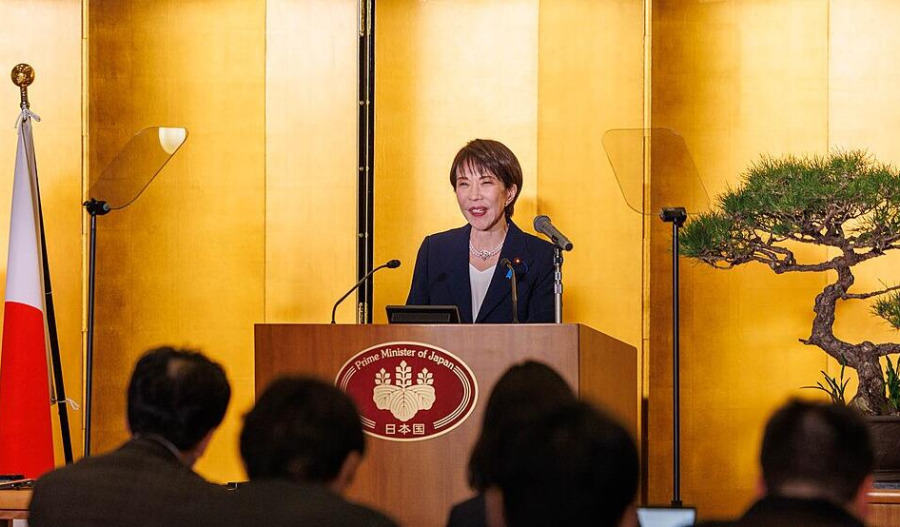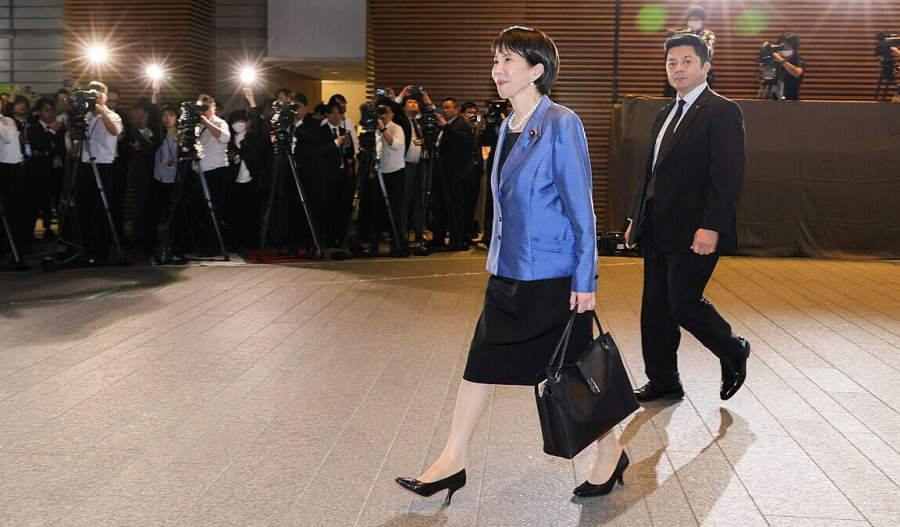
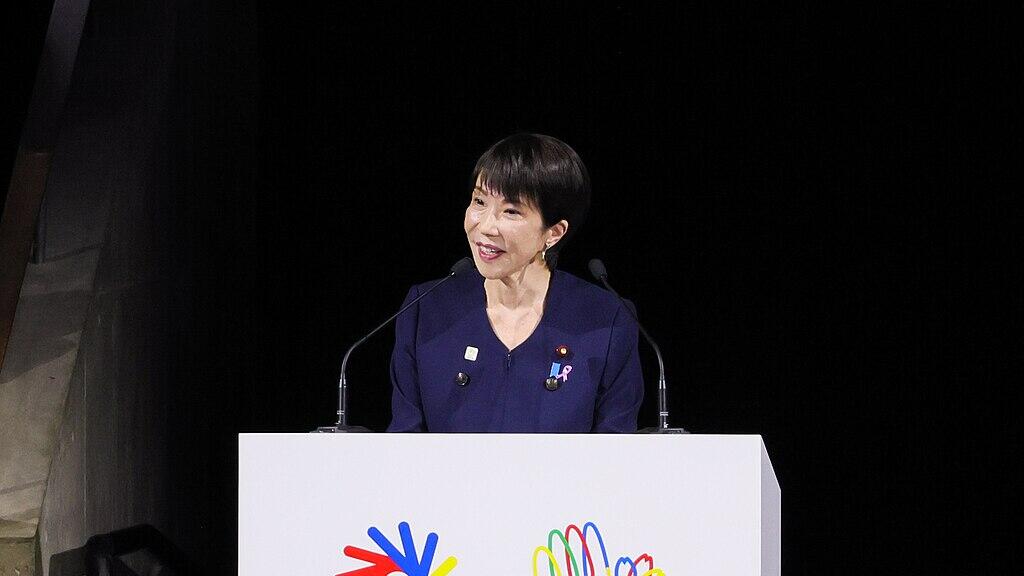
Japan’s Prime Minister Sanae Takaichi has called for a snap election early next month as she attempts to capitalise on her strong ratings as the country’s first female prime minister.
At a press conference, she said she would dissolve the lower house of the Diet on Friday, 23 January, with an election to follow on 8 February.
Takaichi became Prime Minister in October and said the decision to call an election was very difficult.
“I am putting my future as prime minister on the line. I want the people to decide directly whether they can entrust the management of the country to me,” she said.
This comes as a series of polls gives Takaichi an approval rating as high as 75%, despite her Liberal Party being unpopular, according to the Financial Times.
When announcing the snap election, Takaichi said she had become Prime Minister by winning an internal vote to become president of the Liberal Party last October and needed a general election to gain a proper mandate to enact bold reform.
“Can you trust the management of Japan to me? I want the Japanese people to make a decision on this,” she said, adding that from the moment she became prime minister, “I was worried that the Takaichi cabinet was not born from a general election”.
Takaichi has promised more stimulus, a reduction in Japan’s debt-to-GDP ratio and stronger social security if she wins the election.
She also said Japan needed to strengthen its military defence and rely less on the U.S.

“We have to be able to protect our own country ourselves. Nobody will protect a country that is not prepared,” she said.
This comes after she sparked a row with China shortly after becoming prime minister, by referring in parliament to a hypothetical situation of Japan becoming involved in a military conflict over Taiwan.
When Beijing called for her to retract her comments, she refused.
This will be Japan’s shortest general election campaign since the Second World War.
Takaichi has acknowledged that it will be a tough campaign as the Liberal Party will no longer be running with its coalition partner of 26 years, Komeito.
Komeito said it will join forces with Japan’s largest opposition party, the Constitutional Democratic Party.
The Liberal Party is in a new coalition with the Japan Innovation Party and holds 233 seats out of 465 in the House of Representatives.
Investors have expressed concerns that Takichi’s plans will place too high a strain on Japan’s public finances.
“The direction she is moving is a dangerous trajectory,” Capital Economics head of Asia Pacific, Marcel Thieliant, told the Financial Times.