At least 40 people died when two high-speed trains carrying 527 people collided in Spain on Monday in one of the worst rail accidents in Europe in 80 years.
The country was scheduled to begin three days of mourning on Tuesday as rescuers continue to search through the wreckage for more victims of the crash, which occurred at 7:45 pm local time (6:45 pm GMT) the previous day.
The president of the local region, Juan Manuel Moreno, said at least 40 people lost their lives when an Iryo train derailed and slammed into the path of another train on a nearby line near Adamuz in Cordoba province, about 360 kilometres south of Madrid.
The train was travelling at 110 kilometres per hour from Málaga in the autonomous Andalusia region of southern Spain to the national capital of Madrid in central Spain at the time of the collision.
The impact tossed the second train’s lead carriages off the track and down a four-meter bank, with bodies found hundreds of metres away from the wreckage.
A total of 12 people were in intensive care after the accident, which experts said may have been caused by a faulty rail joint, according to media reports.
Spanish Prime Minister Pedro Sanchez cancelled his trip to the World Economic Forum in Davos, Switzerland, to visit the site and promised a thorough investigation.
“Spanish society, like all of us, is wondering what happened, how it happened, how this tragedy could have occurred,” Sanchez was quoted in an Associated Press article.
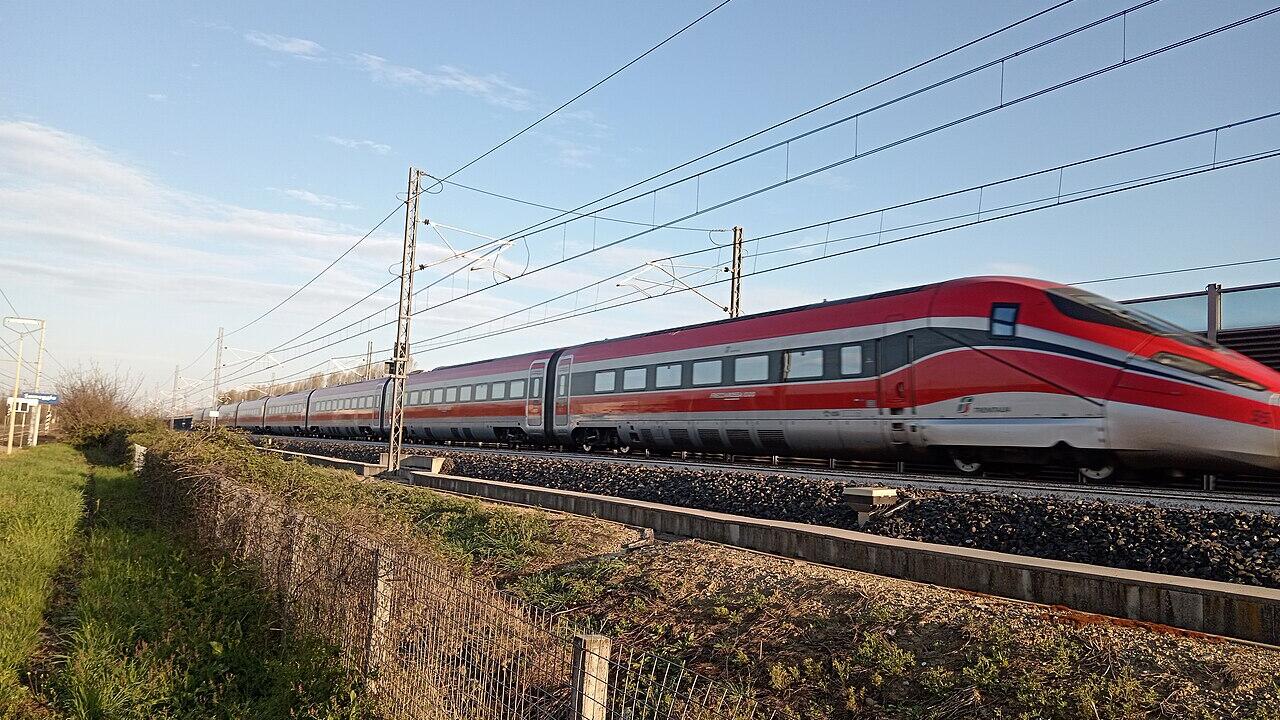
The Frecciarossa 1000 train operated by Iryo was less than four years old and the railway line was renovated last May but train drivers had complained about “severe wear and tear” on the line, according to a Reuters article.

"The train tipped to one side... then everything went dark, and all I heard was screams," train passenger Ana Garcia Aranda, 26, was quoted in a Reuters article as saying.
Aranda said other passengers dragged her out of the train, covered in blood, while firefighters rescued her pregnant sister from the wreckage, and an ambulance took them to the hospital.
"There were people who were fine and others who were very, very badly injured... you knew they were going to die, and you couldn’t do anything," she said.
Police drone footage showed the trains lying 500 metres apart, with one carriage split in two and the locomotive crushed.
Although it was too early to talk about the cause, it happened in "strange conditions”, but human error had been virtually ruled out, the President of Renfe, Spain’s national railway operator, Fernandez Heredia said on radio station Cadena Ser.
"What always plays a part in a derailment is the interaction between the track and the vehicle, and that is what the commission is currently (looking into)," Commission of Investigation of Rail Accidents Head Ignacio Barron said on public broadcaster RTVE.
The remote crash site was accessible only by a single-track road, making it difficult for ambulances to reach.
The death toll was the highest from a Spanish train crash since 2013, when 80 people died in a derailment in the north-western city of Santiago de Compostela.
Iryo is owned 51% by Italy’s state-owned railway company Trenitalia, about 25% by Spanish regional airline Air Nostrum and 24% by Spanish transport infrastructure investment firm Globalvia.