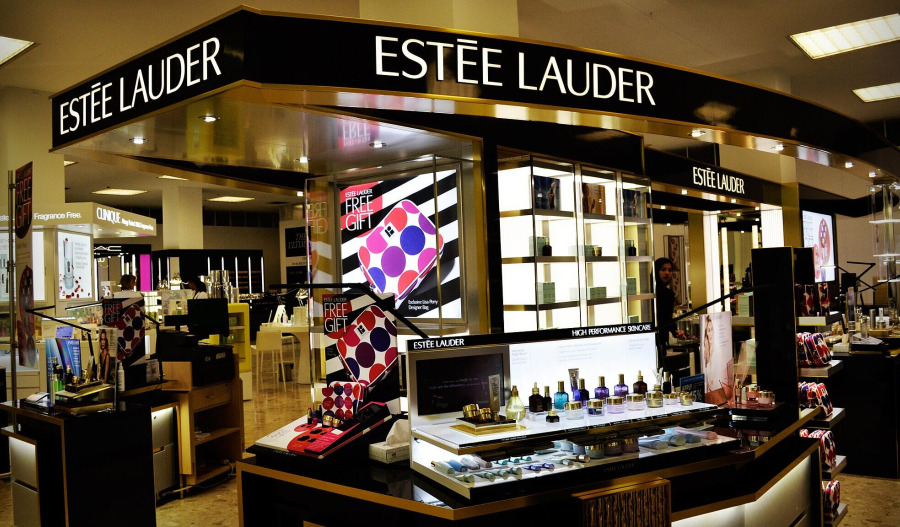

Estee Lauder and Spanish perfumery Puig have ended merger talks that would have created a premium beauty giant better poised to compete with industry leader L’Oreal.
Despite this, Estee Lauder shares rose over 10% in extended trading as investors cheered the end of the deal.
Analysts warned that the deal could add integration risk, stretch the company's balance sheet and distract management from its months-long turnaround plan.
Talks of the merger were disclosed in March and would have formed a US$40 billion luxury beauty group bringing together Estée brands such as Tom Ford, Clinique and MAC with Puig's brands, including Carolina Herrera and Charlotte Tilbury, which are popular with TikTok influencers and affluent millennials.
The data after the companies confirmed their talks, Estee Lauder shares fell 10%.

While the talks have ended, Estee Lauder said it plans to continue to evaluate and evolve its portfolio to ensure it has the right assets to drive the most compelling growth opportunities, including both potential acquisitions and divestitures.
“Today, we are reiterating our confidence in the power of our incredible brands, our talented teams, and our strength as a standalone company,” Estee Lauder president and CEO Stéphane de La Faverie.
“We are more optimistic than ever about our ability to unlock significant long-term value through Beauty Reimagined, and we remain focused on accelerating that progress.”
Two sources familiar with the matter said demands from Charlotte Tilbury, founder of the namesake beauty brand majority-owned by Puig, were among the issues that complicated the talks and made the potential transaction increasingly complex.
This comes after Estee Lauder raised its annual profit forecast and said it would cut up to 3,000 more jobs globally earlier this month, while Puig reported slower sales growth for the first quarter in late April.
Estee, which has a long history of growing through acquisitions, including its $2.8 billion deal for U.S. fashion label Tom Ford in 2022, said it continues to evaluate potential acquisitions and divestitures.