
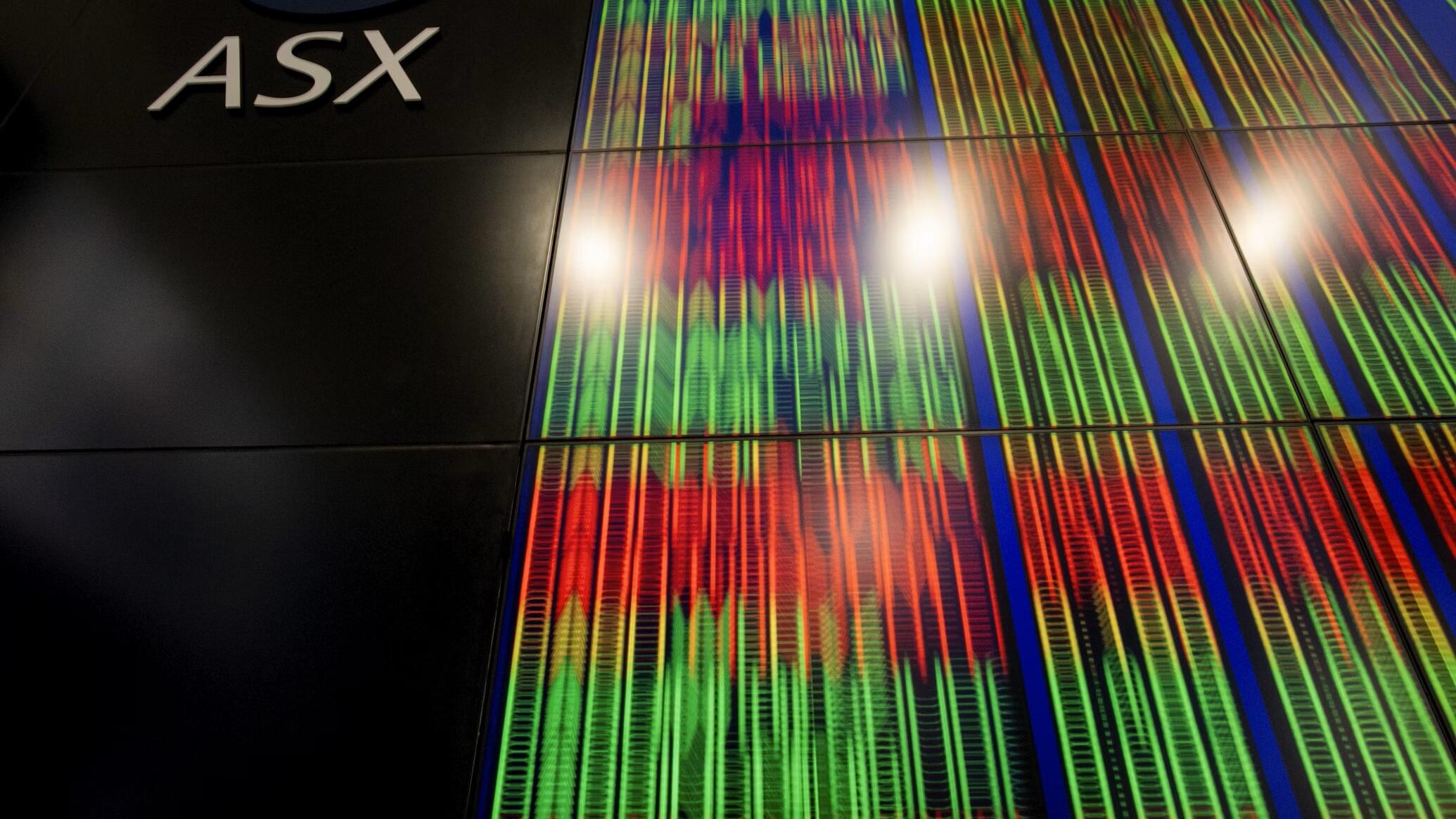
A stronger night by stocks in the United States has set the Australian sharemarket up to rise when trading resumes on Friday.
The ASX 200 should begin 0.60% higher at 10:00 am AEST (12:00 am GMT) based on Australian Securities Exchange (ASX) futures trading, which quoted the June contract of the index 52 points above the prior settlement at 8,675 points.
However, this will not be enough to recoup the losses from the prior day.
The direction was set on Wall Street, where two of the three main price benchmarks posted new closing highs on news of a ceasefire agreement between the United States and Iran and after important inflation data.
The Dow Jones Industrial Average added 0.1% while the S&P 500 rose 0.6% and the Nasdaq Composite gained 0.9%, the latter two ending at new closing highs.
Although data showed U.S. inflation increased at its fastest pace in three years in April due to the impact of the Iran war, news reports said the U.S. and Iran had agreed to extend their ceasefire for 60 days in a deal U.S. President Donald Trump has yet to approve.

"Traders are on a hair trigger with the back-and-forth on deal news, and have been leaning long to avoid getting trampled by a better-than-expected outcome. The harder part is that the inflationary forces may not abate as fast as markets want," Harris Financial Group managing partner Jamie Cox was quoted as saying in a Reuters report.
Burrell Stockbroking wealth adviser Adam Dight said he had been recommending clients buy exchange-traded funds (ETFs) that invest in offshore markets in view of the increased taxes announced in the last Australian Budget and the performance of markets like the United States and Japan.
The three main U.S. stock indexes and Japan’s equities market have outperformed the ASX over the last year.
“I'm just so glad I've just been putting everyone into overseas ETFs in the last 12 months,” he said.
The ASX 200 had closed 1.4% down at 8,592.9 points on Tuesday, with eight of the 11 sectors recording losses amid increased tensions in the Middle East.
In fixed interest markets, Australian Government bond yields eased with two-year rates down by 0.07% to 4.537% and 10-year rates off by 0.14% at 4.850% at the time of writing.