

On 22 August 2013 trading stopped for three hours on the Nasdaq exchange in the United States due to data feed failures and a breakdown in communication between systems.
The New York Stock Exchange suffered a four-hour trading halt on 8 July 2015 due to software and other problems on the world’s largest stock exchange.
The Tokyo Stock Exchange (TSE) was forced to shut down all day for the first time in its 142-year history because of system failures on 1 October 2020.
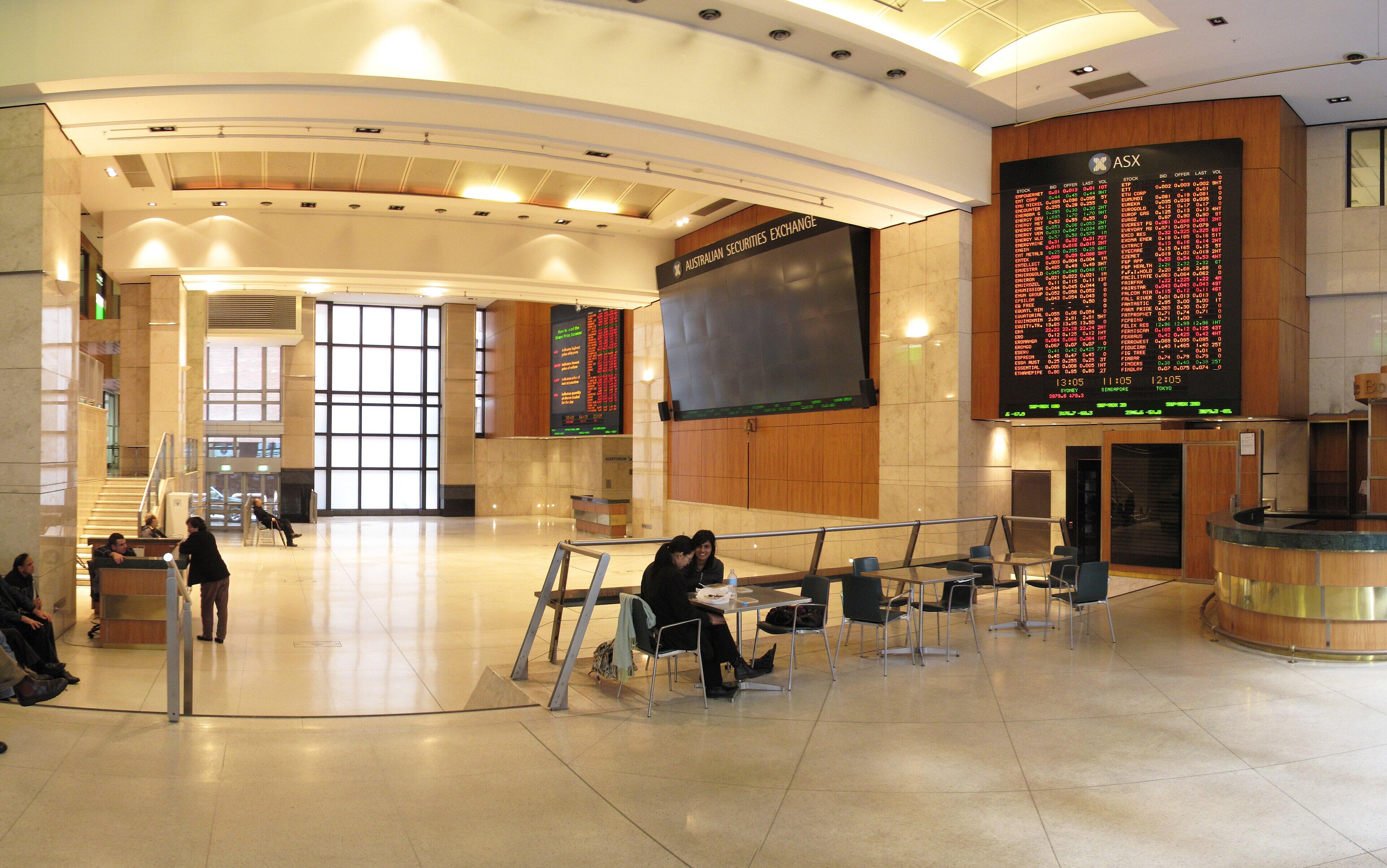
Although these three distinct outages over seven years affected much larger markets, the Australian Securities Exchange (ASX) could well claim the dubious honour of suffering the world's most serious stock exchange system failures.
Patience runs out
They were so significant that the Australian Securities and Investments Commission (ASIC) took the unprecedented step in June 2025 of commissioning an inquiry into what the ASX’s regulator called years of persistent issues and operational failings.
The findings in the final report issued on 2 April 2026, after nine months of analysis of governance, capability and risk management frameworks and practices, were a searing indictment of Australia’s monopoly operator of critical market infrastructure.
“Resilience of critical market infrastructure has been compromised to deliver high shareholder returns,” the regulator wrote in the Final Report of its Inquiry into ASX GROUP.
ASIC also found:
- Governance arrangements failed to provide the necessary focus on critical market infrastructure
- ASX lacked the aspiration to be a steward of critical market infrastructure, and
- Capability and cultural barriers were hindering transformational change.
The regulator had interviewed more than 140 stakeholders, reviewed submissions and an expert technical report on the Clearing House Electronic Sub-register System (CHESS) system, undertook international benchmarking, held focus groups with ASX staff, and reviewed 10,000-plus documents.
The stakeholders included institutional investors, who welcomed the report, stockbrokers, who called it a “must read”, and retail ‘mum and dad’ investors, who emphasised the seriousness of the systemic issues it identified.

Timeline of failures
The problems arguably started with ASX’s decision in 2015 to begin replacing the aging CHESS system with a blockchain-based solution.
Launched in 1994 as an electronic settlement, clearing and registration system to replace paper-based processes, CHESS was ground-breaking at the time because few exchanges around the globe had fully electronic settlement systems.
But the wheels had started to come off by 2018 as the project complexity increased, and with the emergence of internal concerns about delivery risk, culminating in the ASX stopping trading for a full day on 16 November 2020.
Through 2021, delays in the replacement of CHESS became apparent as the go-live date was repeatedly pushed back, costs rose, and the scope broadened.
The problems continued in early 2022 when the ASX insisted the project was “on track” and “progressing well” when the internal view was that it was at “serious risk”.
This disconnect was at the heart of ASIC’s decision two years later to launch Federal Court action alleging misleading statements about CHESS progress.
By late 2022, the replacement project was abandoned as the exchange took a $250 million write-down.
Operational problems continued through 2023 and 2024, including on 24 December when all settlements were cancelled due to a failure of CHESS.
This led to the launch of the formal inquiry last year.
Action needed
ASIC Chair Joe Longo said the Final Report reinforced that the strategic package of reforms ASIC had announced in December 2025 was the urgent reset required.
The reforms included:
- Strengthening the independence and governance of ASX’s Clearing and Settlement Facilities Boards
- A strategic reset of the ASX’s “Accelerate” transformation program with clear milestones and stronger accountability for delivery
- An extra $150 million capital charge to ensuring ASX has robust financial resources throughout the remediation period
- Commitments to stronger leadership and governance, and
- Enhanced regulatory oversight from ASIC and the Reserve Bank of Australia of ASX’s clearing and settlement functions to better monitor risk and compliance.
“This report confirms that ASIC’s decision to commission this unprecedented Inquiry was the right call,” Longo said in a media release.
“The further evidence and key observations in this Final Report support the scale of transformational change required at ASX to deliver on its stewardship of critical market infrastructure.”
Stakeholder views
The Australian Shareholders’ Association (ASA) said the findings reinforced concerns it had raised in its submission to the Inquiry.
The organisation representing retail shareholders said repeated failures had eroded investor confidence, weakened trust in market infrastructure and highlighted the need for governance, accountability and disclosure standards that met or exceeded international best practice.
“The report is particularly significant because it confirms that ASX’s problems are systemic, long-standing and deeply embedded,” the ASA said.
A similar sentiment was expressed by the Australian Council of Superannuation Investors (ACSI), which represents superannuation funds and institutional investors that manage hundreds of billions of dollars on behalf of Australian retirees.
“It is critical that the ASX continue to address issues identified to improve governance and rebuild trust,” ACSI said.
“That includes the trust of regulators and market participants as well as long-term investors.”
ASIC found that for many years, the “ASX has allowed short term financial objectives to take precedence over investment in systems, technology, people and operational resilience. This has compromised the success of Australia’s financial markets”.
The Stockbrokers and Investment Advisers Association (SIAA) said the final report reflected concerns held for some by its members, who were ASX trading, settlement and clearing participants and key customers of the ASX.
“We agree with the ASX that the report is a tough read,” SIAA Chief Executive Officer Maria Lykouras said in a media release.
In the aftermath of the 2024 outage the SIAA had urged the ASX to review the CHESS code.
“We hope that this review does not get lost in the noise of this report and is undertaken. It is important that we have confidence in current CHESS,’’ Lykouras said.
ASX responds
In typically Australian understatement ASX Chair David Clarke described the report as “tough reading”.
“The conclusion of ASIC’s Inquiry represents a key turning point for us,” Clarke said.