The Australian sharemarket declined for an eighth consecutive session on Thursday, marking its longest losing streak since 2018, as surging oil prices and rising tensions in the Middle East weighed on investor sentiment.
The S&P/ASX 200 Index fell 21.2 points, or 0.2%, to close at 8,665.8, despite eight of the 11 industry groups finishing higher.
Risk appetite remained subdued as investors responded to reports that the United States will maintain its blockade of the Strait of Hormuz, a critical shipping route that carries around one-fifth of the world’s energy supply, in an effort to pressure Iran into negotiations.
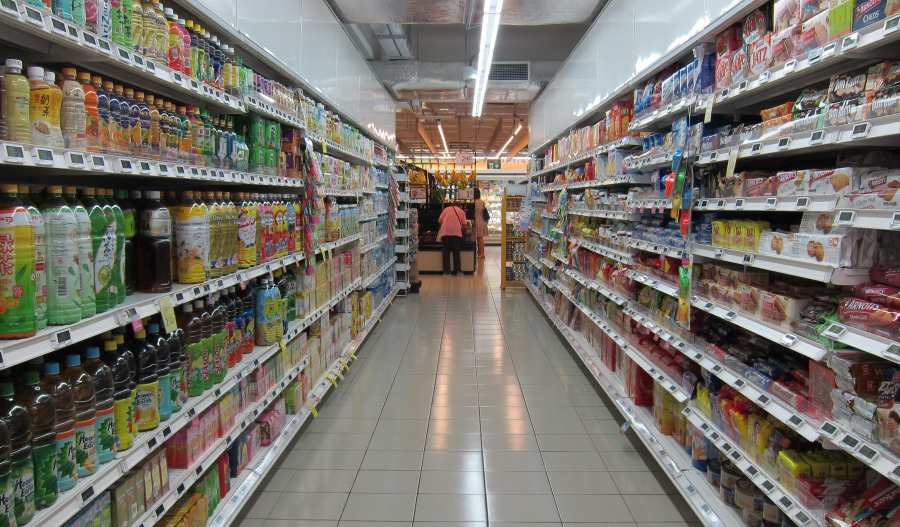
Consumer Staples led declines on the day, as Woolworths tumbled 7.8% after warning that higher fuel costs linked to the Iran conflict would weigh on earnings.
Coles shed 3.6%, Treasury Wine Estates lost 0.5%, Metcash fell 2.2%, and Inghams Group posted declines of 3.8%.
The Materials sector retreated, with major miners BHP, Rio Tinto and Fortescue Metals Group finishing 2.2%, 2%, and 2.8% lower, respectively.
Gold miners also came under pressure after bullion prices slipped to monthly lows overnight.

Northern Star Resources lost 2.7%, Evolution Mining fell 5.3%, and Newmont Corporation declined 2.1%.
In contrast, the Information Technology sector edged higher, supported by strong earnings results from major U.S. technology companies, including Amazon and Microsoft.
Among local tech names, WiseTech Global added 3.4%, Xero gained 0.9%, and NEXTDC lifted 1.7%, while TechnologyOne moved 2.2% lower.
The Financial sector also provided some support to the index. Commonwealth Bank added 0.9%, National Australia Bank gained 0.5%, Westpac added 0.7%, and ANZ traded 1.3% higher.
ASX Limited surged 5.1% after announcing the appointment of Darren Yip, currently group executive of markets and listings, as interim chief executive from 29 May, following the upcoming departure of Helen Lofthouse.
Regis Healthcare rose 2.2% after indicating that full-year underlying earnings are expected to reach around $135 million, at the top end of its guidance range, supported by high occupancy rates and strong funding inflows.
On the bond markets, yields moved higher, with the Australian 10-year yield rising 0.4% to 5.071% and the 2-year yield increasing 0.3% to 4.785%.