The Australian sharemarket fell on Friday as selling resumed amid ongoing conflict in the Middle East, raising concerns about prolonged disruptions to global energy markets and higher oil prices.
The S&P/ASX 200 Index finished 89.3 points or 1% lower at 8,851.0, with five of the 11 sectors closing in negative territory.
For the week, the benchmark index declined 3.8%, wiping out the 3.7% gains recorded during February.
Materials stocks led the market lower, weighed down by weakness in major iron ore producers.
BHP dropped 4.2%, while Rio Tinto declined 3.6% and Fortescue slipped 0.7%. The sector faced pressure after China’s state-backed iron ore buyer summoned traders and urged them to stop purchasing new BHP cargoes intended for resale into the country, citing breaches of existing purchase restrictions.
Gold miners also retreated after the spot gold price fell 1.2% overnight. Northern Star shed 8.1%, Newmont fell 2.7%, and Evolution Mining traded 6% lower.

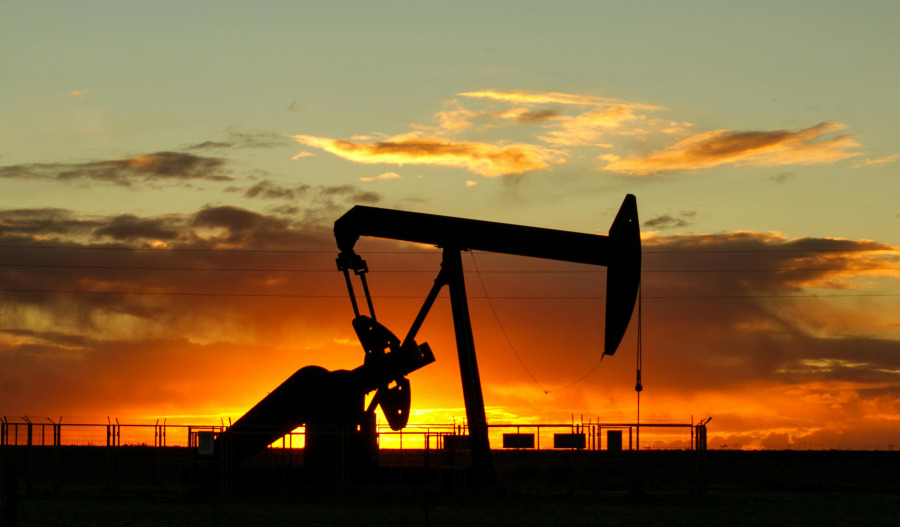
Energy companies were mostly higher as crude prices jumped again overnight before easing during Asian trading after the Trump administration signalled it was considering a range of measures to address the spike in oil and petrol prices.
Woodside Energy added 1%, Santos gained 1.9%, Beach Energy lifted 0.9%, Viva Energy gained 1.5%, while Ampol dipped 3.4%.
The Information Technology sector led gains on the index, as WiseTech Global surged 10.8%, Xero advanced 4.5%, TechnologyOne added 3.9%, and NextDC lifted 1.9%.
Among individual companies, Magellan Financial Group surged 9.3% after the Lowy Family disclosed it had taken a 5.1% stake in the asset manager. The move comes shortly after Magellan announced plans to merge with investment bank Barrenjoey.
Defence technology company Droneshield also traded higher, climbing 10%.
Uranium developer Deep Yellow tumbled 11.8% after reporting a wider half-year loss. The company posted a loss of $7.78 million for the period, compared with a $2.47 million loss a year earlier.
On the bond markets, yields moved higher. The 10-year Australian government bond yield rose 0.4% to 4.845%, while the two-year yield increased 0.7% to 4.367%.