Asian markets traded mixed on Monday, with South Korean equities climbing to a fresh record high as investors assessed ongoing tensions between the United States and Iran, alongside efforts to reopen key global shipping routes.
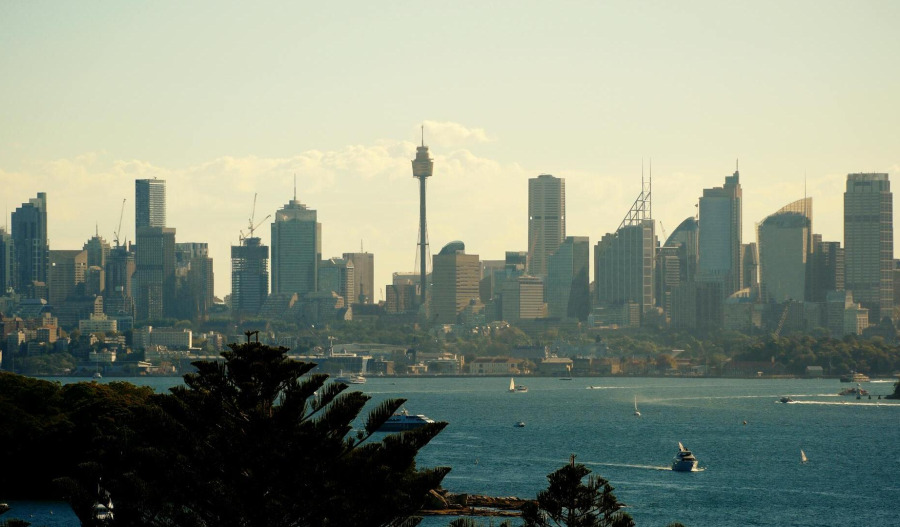
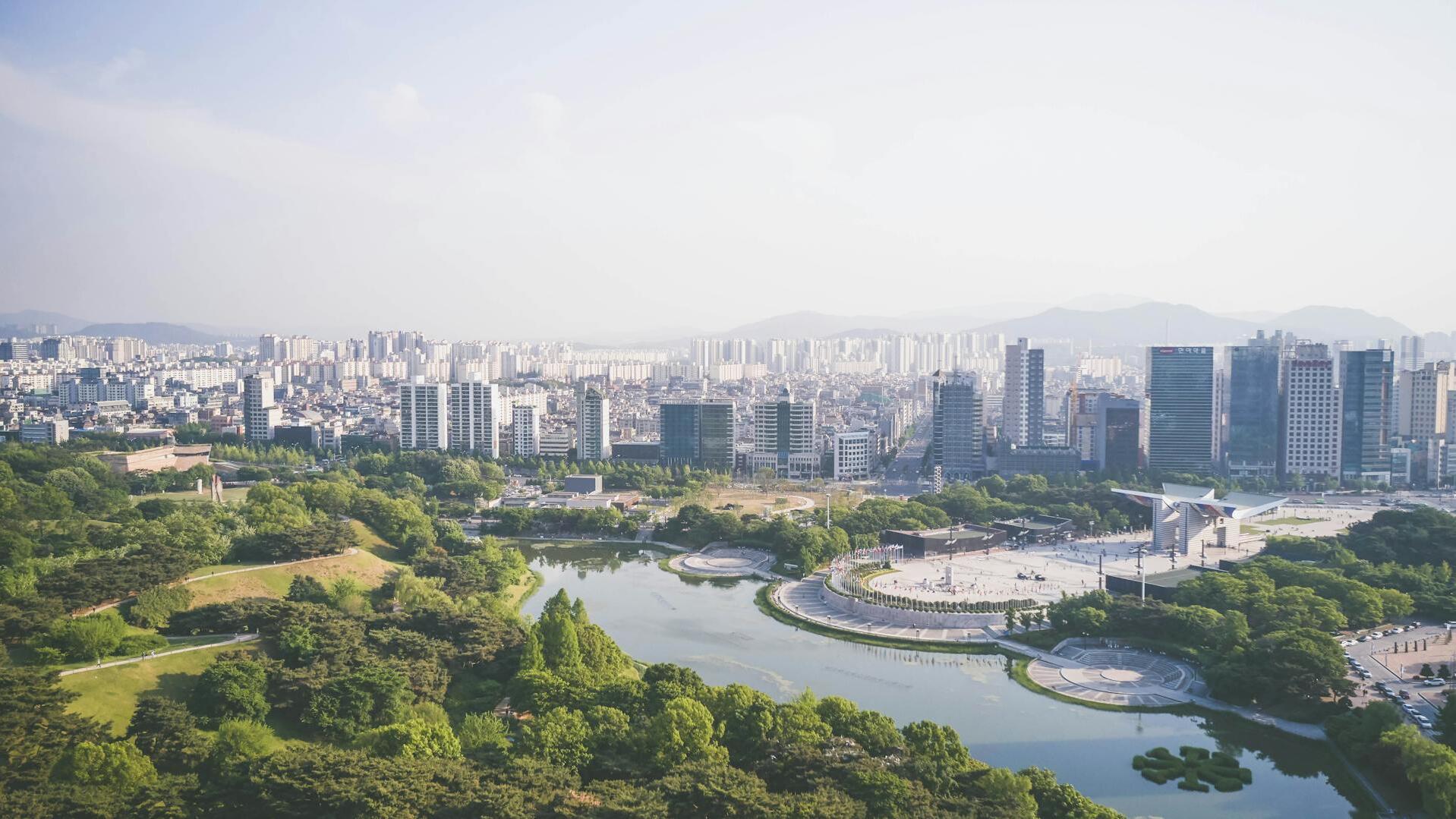
South Korea’s benchmark KOSPI 200 rose 3.1% by 11:25 am AEST (1:25 am GMT), extending gains after a strong performance in April, while Australia’s S&P/ASX 200 slipped 0.2%.
Markets in China and Japan remained closed for public holidays, resulting in thinner trading volumes across the region.
Investor sentiment in the region was influenced by developments in the Middle East after U.S. President Donald Trump announced a new initiative aimed at reopening the Strait of Hormuz. In a Truth Social post on Sunday, Trump said the United States would attempt to “free” stranded ships impacted by the closure of the key waterway since the onset of the Iran conflict.
The initiative, dubbed “Project Freedom”, is set to begin on Monday Middle East time and will prioritise assisting civilian vessels from countries not directly involved in the conflict.
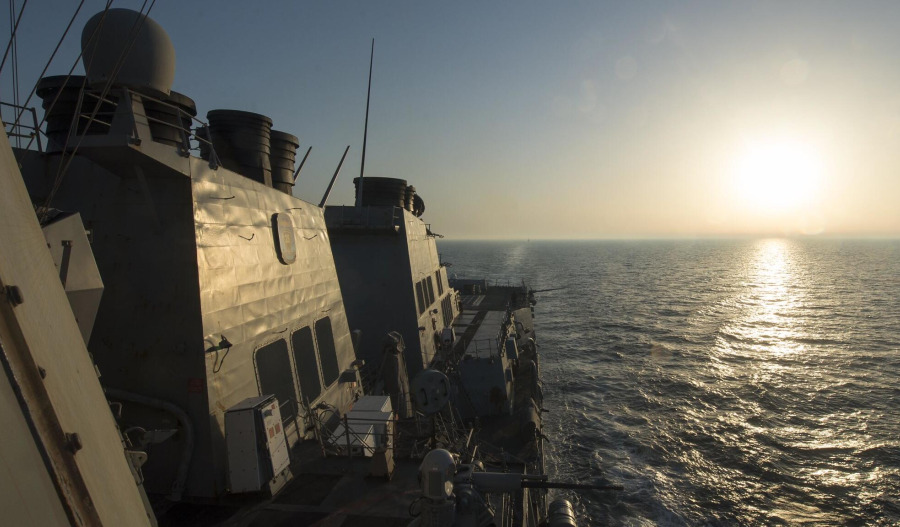
“U.S. military support to Project Freedom will include guided-missile destroyers, over 100 land and sea-based aircraft, multi-domain unmanned platforms, and 15,000 service members,” the U.S. Central Command said following the announcement.
Economic data from South Korea highlighted rising inflationary pressures within the manufacturing sector. The S&P Global South Korea Manufacturing PMI for April reported sharp increases in both input costs and output prices, driven by supply disruptions linked to the Middle East conflict.
"April data indicated that prices surged in the South Korean manufacturing sector, as the war in the Middle East severely disrupted the price and supply of raw materials and other inputs.

"Both metrics of inflation covered by the survey - input prices and output charges - were the highest since the survey began in April 2004.
"That said, output and demand conditions remained relatively resilient, with goods producers seeing a stronger uptick in both output volumes and new order intakes.
"However, this was partly attributed to efforts by clients to build safety stocks amid rising prices and shipping delays. The war also weighed on business confidence at the start of the second quarter, with overall optimism dipping to the lowest since November 2025 amid uncertainty regarding the length of the conflict."
Despite the surge in costs, production and demand remained relatively resilient, although the report noted that part of the strength was driven by customers building inventories in anticipation of further disruptions.
In Australia, investors are also monitoring fresh building permits data from the Australian Bureau of Statistics (ABS). Total dwellings approved fell 10.5% to 17,300, versus an expected decline of 9.9%, with private sector dwellings excluding houses dropping 26% to 6,632 while private sector houses rose 0.9% to 10,194, as the value of total residential building declined 15.8% to A$10.77 billion and non-residential building fell 25.3% to $5.97 billion.
On Wall Street Friday, two of the three major benchmarks ended at record highs, with the S&P 500 rising 0.3% and the Nasdaq Composite gaining 0.9%, while the Dow Jones Industrial Average fell 0.3%.
In commodities, Brent crude declined 2% to settle at US$108.17 per barrel, while spot gold edged 0.2% lower to $4,613.29 per ounce.
Elsewhere, global trading activity was subdued due to public holidays. Mainland Chinese markets, including the SSE Composite and CSI 300, were closed, alongside Hong Kong’s Hang Seng Index. India’s BSE Sensex also did not trade.
European markets saw lighter volumes, with the UK’s FTSE 100 edging 0.1% lower to close at 10,363.9, while Germany’s DAX and France’s CAC 40 remained shut for public holidays.