More than 50,000 people have been evacuated from Morocco as flooding driven by weeks of heavy rain threatens to inundate the city.
Authorities set up shelters and temporary camps and barred entry into Ksar el-Kebir as rising water levels in the Loukkos River spread across several neighbourhoods.
People could only depart from the city, while some electricity was cut, and schools were ordered to remain closed until Sunday.
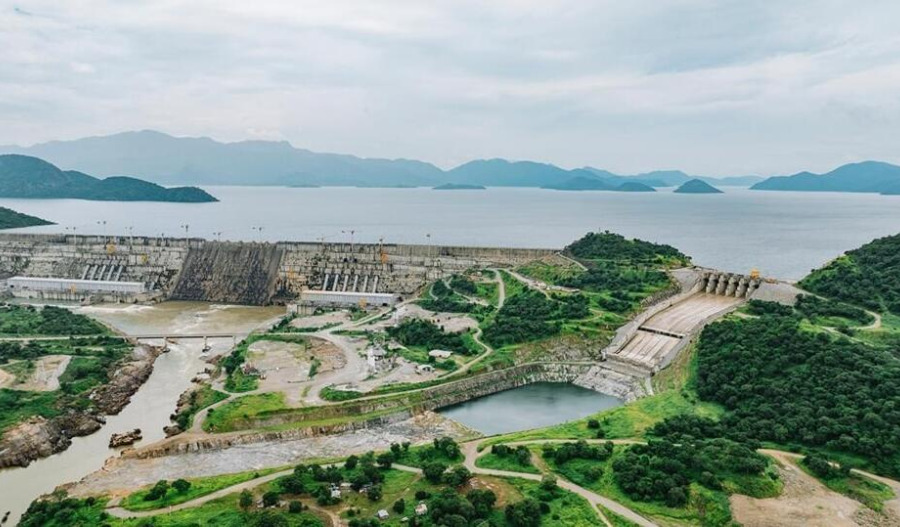
The flood was triggered by water released from the nearby Oued Makhazine dam, which has reached full capacity, according to officials.
Local resident Hicham Ajttou told Reuters that the city had become a ghost town.
"All markets and shops are closed, and most residents have either left voluntarily or been evacuated."
Ajttou had moved his family to Tangier last week and returned to Ksar el-Kebir to volunteer in relief efforts.
"The question that worries us is what comes next. The dam is full, and we don't know how long this situation will last," he said.

In response to the flood, the army has deployed rescue units, trucks, equipment and medics to support evacuaitions and rescue boats and buses have evacuated people from the city.
The heavy rainfall brought an end to a seven-year drought in the country that pushed it to invest heavily in desalination plants.
The national dam-filling rate is now close to 62%, with several major reservoirs reaching full capacity, according to official data.
This follows a flash flood that killed 37 people in the Atlantic coastal city of Safi, south of Rabat, last month.
There have also been calls for help in Mozambique, where flood victims are beginning to return home despite damage.
Five provinces, which represent nearly half of the country’s territory, remain severely affected by the floods that plagued the nation last December.
With much of the infrastructure destroyed, the government estimated reconstruction costs would come to nearly US$650 million.
UNHCR Mozambique is seeking $38.2 million in 2026, and the World Food Programme (WFP) said it urgently needs $32 million for the next three months' operations, saying it was stepping up efforts to reach more than 450,000 people.